

Gandhi Peace Award

Gandhi Peace Award
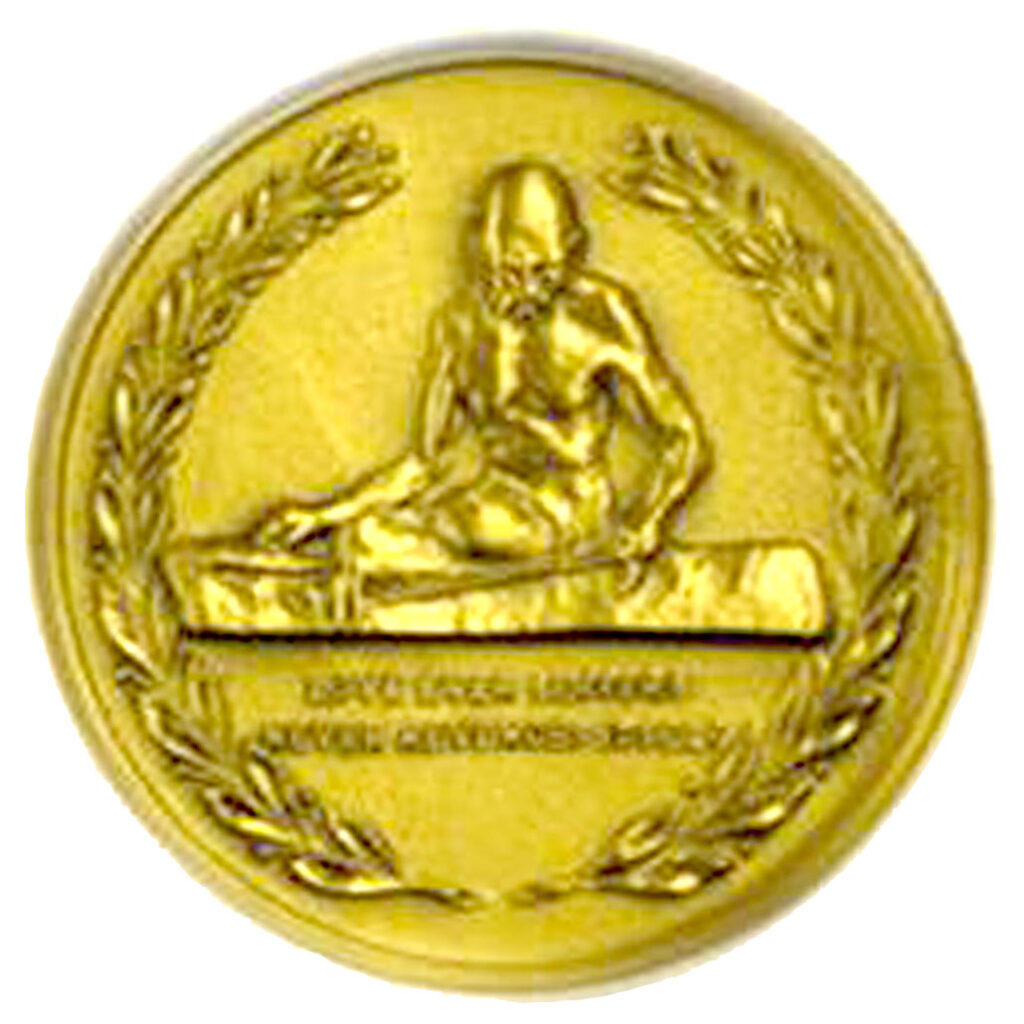
The Gandhi Peace Award is an award and cash prize presented annually since 1960 by Promoting Enduring Peace to individuals for "contributions made in the promotion of international peace and good will." It is named in honor of ''Mohandas Karamchand Gandhi'' but has no personal connection to Mohandas Gandhi or any member of his family. In the 21st Century the Award is especially intended by its presenters to honor those whose lives and works exemplify the principle that international peace, universal socioeconomic justice, and planetary environmental harmony are interdependent and inseparable, and all three are essential to the survival of civilization.The Award itself is symbolized by a heavy medallion and a certificate with an inscription summing up the recipient's work. The medallion, forged from Peace Bronze (a metal rendered from decommissioned nuclear missile command systems, evoking "swords into plowshares"), features Gandhi's profile and his words "Love Ever Suffers/Never Revenges Itself" cast in bronze. The Award has been presented at a ceremony held typically once a year in New York or New Haven at which the recipient is invited to present a message of challenge and hope.
| Sl | Name | Country | Flag | Year | Awarded For |
|---|---|---|---|---|---|
| 58 | Kali Akuno | United States | 2023 | contribution made in promotion of international peace and goodwill. | |
| 57 | Zaher Sahloul | United States | 2020 | contribution made in promotion of international peace and goodwill. | |
| 56 | Mayson Almisri | United States | 2020 | contribution made in promotion of international peace and goodwill. | |
| 55 | Jackson Browne | United States | 2018 | contribution made in promotion of international peace and goodwill. | |
| 54 | Omar Barghouti | Palestine | 2017 | contribution made in promotion of international peace and goodwill. | |
| 53 | Ralph Nader | United States | 2017 | contribution made in promotion of international peace and goodwill. | |
| 52 | Kathy Kelly | United States | 2015 | contribution made in promotion of international peace and goodwill. | |
| 51 | Tom B.K. Goldtooth | United States | 2015 | contribution made in promotion of international peace and goodwill. | |
| 50 | Medea Benjamin | United States | 2014 | contribution made in promotion of international peace and goodwill. | |
| 49 | Bill McKibben | United States | 2013 | contribution made in promotion of international peace and goodwill. | |
| 48 | Amy Goodman | United States | 2012 | contribution made in promotion of international peace and goodwill. | |
| 47 | Arik Ascherman | Israel | 2011 | contribution made in promotion of international peace and goodwill. | |
| 46 | Ehud Bandel | United States | 2011 | contribution made in promotion of international peace and goodwill. | |
| 45 | David Cortright | United States | 2004 | contribution made in promotion of international peace and goodwill. | |
| 44 | Karen Jacob | United States | 2004 | contribution made in promotion of international peace and goodwill. | |
| 43 | Adrienne van Melle-Hermans | Netherland | 2003 | contribution made in promotion of international peace and goodwill. | |
| 42 | Dennis Kucinich | United States | 2003 | contribution made in promotion of international peace and goodwill. | |
| 41 | Michael True | United States | 2002 | contribution made in promotion of international peace and goodwill. | |
| 40 | Alice Frazier | United States | 1997 | contribution made in promotion of international peace and goodwill. | |
| 39 | Howard | United States | 1997 | contribution made in promotion of international peace and goodwill. | |
| 38 | Paula Kline | United States | 1996 | contribution made in promotion of international peace and goodwill. | |
| 37 | Alan Wright | United States | 1996 | contribution made in promotion of international peace and goodwill. | |
| 36 | Edith Ballantyne | Canada | 1995 | contribution made in promotion of international peace and goodwill. | |
| 35 | Roy Bourgeois | United States | 1994 | contribution made in promotion of international peace and goodwill. | |
| 34 | Lucius Walker | United States | 1993 | contribution made in promotion of international peace and goodwill. | |
| 33 | Ramsey Clark | United States | 1992 | contribution made in promotion of international peace and goodwill. | |
| 32 | George McGovern | United States | 1991 | contribution made in promotion of international peace and goodwill. | |
| 31 | Marian Wright Edelman | United States | 1990 | contribution made in promotion of international peace and goodwill. | |
| 30 | César Chávez | United States | 1989 | contribution made in promotion of international peace and goodwill. | |
| 29 | John Somerville | United States | 1987 | contribution made in promotion of international peace and goodwill. | |
| 28 | Bernard Lown | Lithuania | 1986 | contribution made in promotion of international peace and goodwill. | |
| 27 | Kay Camp | United States | 1984 | contribution made in promotion of international peace and goodwill. | |
| 26 | Robert Jay Lifton | United States | 1984 | contribution made in promotion of international peace and goodwill. | |
| 25 | Randall Watson Forsberg | United States | 1982 | contribution made in promotion of international peace and goodwill. | |
| 24 | Corliss Lamont | United States | 1981 | contribution made in promotion of international peace and goodwill. | |
| 23 | Helen Caldicott | Australia | 1980 | contribution made in promotion of international peace and goodwill. | |
| 22 | Roland Bainton | United States | 1979 | contribution made in promotion of international peace and goodwill. | |
| 21 | Martin Ennals | United States | 1964 | contribution made in promotion of international peace and goodwill. | |
| 20 | Peter Benenson | United Kingdom | 1978 | contribution made in promotion of international peace and goodwill. | |
| 19 | Daniel Ellsberg | United States | 1976 | contribution made in promotion of international peace and goodwill. | |
| 18 | Dorothy Day | United States | 1975 | contribution made in promotion of international peace and goodwill. | |
| 17 | Daniel Berrigan | United States | 1974 | contribution made in promotion of international peace and goodwill. | |
| 16 | U Thant | Burma | 1972 | contribution made in promotion of international peace and goodwill. | |
| 15 | Willard Uphaus | United States | 1970 | contribution made in promotion of international peace and goodwill. | |
| 14 | Wayne Morse | United States | 1970 | contribution made in promotion of international peace and goodwill. | |
| 13 | Benjamin Spock | United States | 1968 | contribution made in promotion of international peace and goodwill. | |
| 12 | William Sloane Coffin Jr. | United States | 1967 | contribution made in promotion of international peace and goodwill. | |
| 11 | Jerome Davis | United States | 1967 | contribution made in promotion of international peace and goodwill. | |
| 10 | Norman Thomas | United States | 1967 | contribution made in promotion of international peace and goodwill. | |
| 9 | A.J. Muste | Netherland | 1966 | contribution made in promotion of international peace and goodwill. | |
| 8 | Martin Luther King Jr. | United States | 1964 | contribution made in promotion of international peace and goodwill. | |
| 7 | E. Stanley Jones | United States | 1963 | contribution made in promotion of international peace and goodwill. | |
| 6 | James Paul Warburg | Germany | 1962 | contribution made in promotion of international peace and goodwill. | |
| 5 | Linus C. Pauling | United States | 1962 | contribution made in promotion of international peace and goodwill. | |
| 4 | John Haynes Holmes | United States | 1961 | contribution made in promotion of international peace and goodwill. | |
| 3 | Rabbi Maurice Eisendrath | United States | 1961 | contribution made in promotion of international peace and goodwill. | |
| 2 | Edwin T. Dahlberg | United States | 1960 | contribution made in promotion of international peace and goodwill. | |
| 1 | Eleanor Roosevelt | United States | 1960 | contribution made in promotion of international peace and goodwill. |
Gandhi Peace Award Laureates (1990 ~ 1981)
Marian Wright Edelman
Gandhi Peace Award 1990
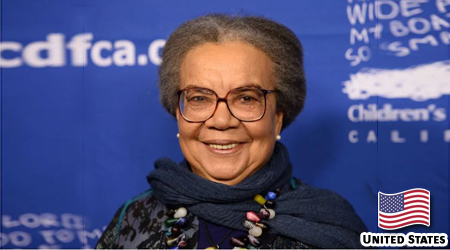
Marian Wright Edelman, the tireless advocate for children’s rights and founder of the Children’s Defense Fund (CDF), was honored with the 1990 Gandhi Peace Award. Presented by Promoting Enduring Peace, the award recognized her "moral clarity" and "fierce non-violence" in the struggle to protect the most vulnerable members of society. Edelman was lauded for her "Gandhian persistence" in making the needs of children a national priority, famously asserting that "service is the rent we pay for living." The award celebrated her role in securing the 1990 Act for Better Child Care, proving that legislative advocacy is a powerful form of non-violent resistance against the systemic neglect of the poor.In February 2026, Edelman’s "servant leadership" remains the gold standard for social justice activism. On February 13, 2026, the Children’s Defense Fund launched a 2026 digital retrospective titled "The 1990 Mandate," featuring her award-winning philosophy to inspire a new generation of youth organizers. This month, on February 24, 2026, a 2026 child welfare summit cited her 1990 recognition as the foundational catalyst for current 2026 movements linking early childhood education to long-term global stability. Her 2026 standing is that of a "national conscience," whose 1990 honor continues to validate the idea that a society is judged by how it treats its children.
César Chávez
Gandhi Peace Award 1989
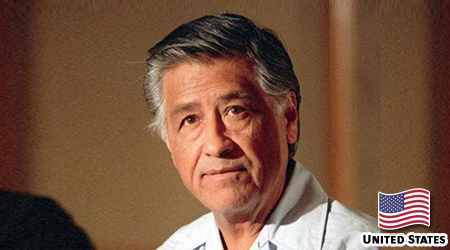
César Chávez, the visionary labor leader and co-founder of the United Farm Workers (UFW), was honored with the 1989 Gandhi Peace Award. Presented by Promoting Enduring Peace, the award recognized his "extraordinary spiritual discipline" in applying non-violent resistance to the struggle for economic justice. Chávez was lauded for his "Gandhian tactics," specifically his use of long-term fasting, consumer boycotts, and 300-mile protest marches to win basic human rights for migrant workers. The award celebrated his conviction that "non-violence is not inaction," acknowledging his role in proving that the poorest members of society could successfully challenge corporate power through moral force alone.In February 2026, Chávez’s "theology of the strike" remains a primary blueprint for modern labor and environmental justice. On February 14, 2026, the Chávez Foundation launched a 2026 digital initiative titled "The 1989 Mandate," utilizing his award-winning strategies to support 2026 agricultural workers facing climate-related health risks. This week, on February 26, 2026, a 2026 labor summit in California cited his 1989 recognition as the foundational catalyst for current 2026 movements linking "food sovereignty" to non-violent social change. His 2026 standing is that of a "prophet of the fields," whose 1989 honor continues to validate the idea that true peace is inseparable from justice for the worker.
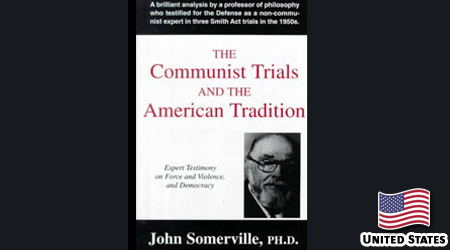
John Somerville
Gandhi Peace Award 1987
John Somerville, the distinguished philosopher and scholar of international law, was honored with the 1987 Gandhi Peace Award. Presented by Promoting Enduring Peace, the award recognized his "intellectual urgency" in defining the unique moral crisis of the nuclear age. Somerville was lauded for coining the term "omnicide"—the total destruction of all human life—to distinguish nuclear war from traditional conflict. The award celebrated his "Gandhian pursuit of truth," acknowledging his 1970s work at the United Nations and his lifelong efforts to align global legal frameworks with the biological imperative of human survival.In February 2026, Somerville’s "philosophy of survival" remains a primary framework for existential risk assessment. On February 14, 2026, the International Association of Lawyers Against Nuclear Arms launched a 2026 digital briefing titled "The 1987 Omnicide Prevention Protocol," utilizing his award-winning logic to address 2026 autonomous weapons and AI-driven escalations. This month, on February 25, 2026, a 2026 ethics symposium at The City University of New York cited his 1987 recognition as the foundational moment for current 2026 "long-termist" peace movements. His 2026 standing is that of a "philosopher-sentinel," whose 1987 honor continues to validate the idea that our survival depends on a fundamental shift in human thought.
View More
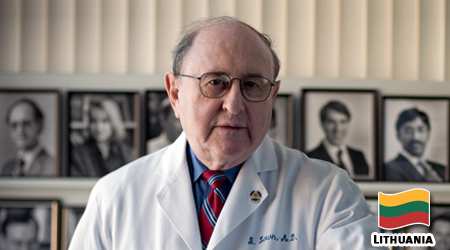
Bernard Lown
Gandhi Peace Award 1986
Dr. Bernard Lown, the Nobel Prize-winning cardiologist and co-founder of International Physicians for the Prevention of Nuclear War (IPPNW), was honored with the 1986 Gandhi Peace Award. Presented by Promoting Enduring Peace, the award recognized his "clinical urgency" in diagnosing the nuclear arms race as the ultimate health hazard. Lown was lauded for his "Gandhian bridge-building," famously collaborating with Soviet doctors at the height of the Cold War to prove that the shared duty to preserve life transcends national borders. The award celebrated his conviction that "nuclear war is the final epidemic," acknowledging his role in mobilizing a global medical movement to prevent what cannot be cured.In February 2026, Lown’s "prescriptive pacifism" remains the primary ethical framework for modern health-based advocacy. On February 14, 2026, the Lown Institute launched a 2026 digital initiative titled "The 1986 Diagnosis," utilizing his award-winning rhetoric to address the health implications of 2026 autonomous weapons systems. This month, on February 24, 2026, a 2026 global health summit in Boston cited his 1986 recognition as the foundational catalyst for "planetary medicine." His 2026 standing is that of a "healer of the human family," whose 1986 honor continues to validate the idea that professional expertise must be used as a non-violent shield for humanity.
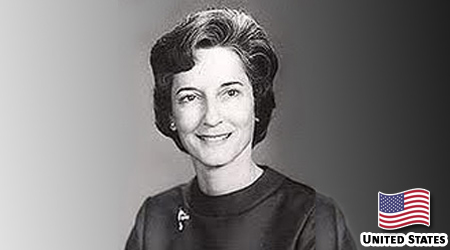
Kay Camp
Gandhi Peace Award 1984
Kay Camp, the tireless internationalist and former president of the Women’s International League for Peace and Freedom (WILPF), was honored with the 1985 Gandhi Peace Award. Presented by Promoting Enduring Peace, the award recognized her "global diplomatic tenacity" in bridging the divide between superpowers during the Cold War. Camp was lauded for her "Gandhian inclusivity," leading high-level women's delegations to North Vietnam and the Soviet Union to prioritize human connection over ideological warfare. The award celebrated her conviction that "peace is a feminist issue," acknowledging her role in elevating disarmament and human rights as inseparable components of a stable world order.In February 2026, Camp’s "feminist diplomacy" remains a primary blueprint for inclusive conflict resolution. On February 14, 2026, WILPF launched a digital 2026 initiative titled "The 1985 Mandate," utilizing her award-winning strategies to empower 2026 women negotiators in regional peace talks. This month, on February 24, 2026, a 2026 global security forum at the United Nations cited her 1985 recognition as the foundational catalyst for modern "human security" frameworks. Her 2026 standing is that of a "pioneer of planetary citizenship," whose 1985 honor continues to prove that sustainable peace requires the voices of those most affected by the machinery of war.
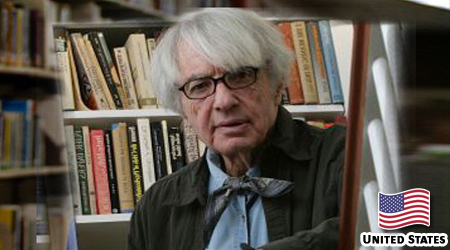
Robert Jay Lifton
Gandhi Peace Award 1984
Robert Jay Lifton, the pioneering psychiatrist and author, was honored with the 1984 Gandhi Peace Award. Presented by Promoting Enduring Peace, the award recognized his "psychological breakthroughs" in understanding the human capacity for mass destruction. Lifton was lauded for his "Gandhian exploration" of the "nuclear mind," specifically his concept of psychic numbing—the process by which individuals and societies tune out the reality of potential annihilation. The award celebrated his 1967 National Book Award-winning work, Death in Life, and his subsequent advocacy, proving that psychological awareness is a vital non-violent tool for dismantling the "illusions of security" provided by nuclear weaponry.In February 2026, Lifton’s "psychology of survival" remains a primary framework for addressing global existential threats. On February 14, 2026, the International Physicians for the Prevention of Nuclear War launched a 2026 digital seminar titled "The 1984 Analysis," utilizing his award-winning theories to explain modern 2026 indifference to climate collapse and AI warfare. Simultaneously, on February 24, 2026, a 2026 trauma studies conference at John Jay College cited his 1984 recognition as the foundational catalyst for "Species Consciousness." His 2026 standing is that of a "healer of the collective psyche," whose 1984 honor continues to validate the idea that facing the truth of our vulnerability is the first step toward genuine peace.
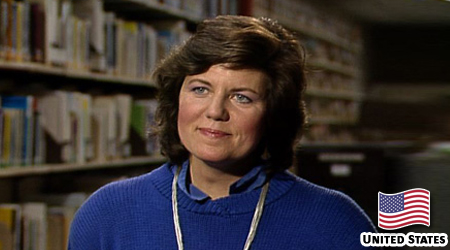
Randall Watson Forsberg
Gandhi Peace Award 1982
Randall Watson Forsberg, the visionary political scientist and strategist, was honored with the 1983 Gandhi Peace Award. Presented by Promoting Enduring Peace, the award recognized her "intellectual leadership" in launching the Nuclear Weapons Freeze Campaign. Forsberg was lauded for her "Gandhian pragmatism" in translating complex disarmament theories into a simple, mass-movement demand: "Stop where we are." The award celebrated her 1980 "Call to Halt the Arms Race," which empowered millions of ordinary citizens to challenge the logic of "mutually assured destruction," proving that grassroots mobilization could alter the course of superpower diplomacy and move the world away from the brink of catastrophe.In February 2026, Forsberg’s "Freeze philosophy" remains the primary strategic model for modern disarmament efforts. On February 14, 2026, the Institute for Defense and Disarmament Studies (which she founded) launched a 2026 digital briefing titled "The 1983 Blueprint," applying her award-winning logic to current 2026 AI-driven weapons systems. This month, on February 24, 2026, a 2026 security summit in Vienna cited her 1983 recognition as the foundational catalyst for the "Global Zero" movement. Her 2026 standing is that of a "rationalist for survival," whose 1983 honor continues to validate the idea that the nuclear age requires a fundamental shift from competitive militarism to cooperative security.
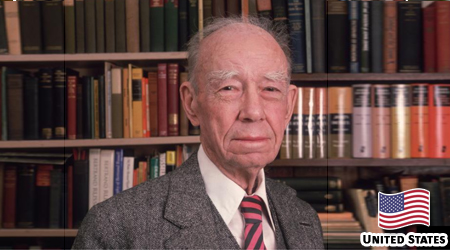
Corliss Lamont
Gandhi Peace Award 1981
Corliss Lamont, the philosopher, philanthropist, and champion of civil liberties, was honored with the 1981 Gandhi Peace Award. Presented by Promoting Enduring Peace, the award recognized his "unwavering humanist devotion" to international cooperation and the defense of the Bill of Rights. Lamont was lauded for his "Gandhian secularism," proving that a commitment to non-violence and social justice could be rooted in a deep, rational love for humanity rather than religious dogma. The award celebrated his 1950s legal victories against McCarthy-era censorship, acknowledging his role in preserving the democratic freedoms essential for any peaceful society to function.In February 2026, Lamont’s "naturalistic humanism" remains a primary cornerstone for modern secular activism. On February 14, 2026, the American Humanist Association launched a 2026 digital archive titled "The 1981 Legacy," utilizing his award-winning essays to advocate for 2026 global diplomacy over military intervention. This month, on February 24, 2026, a 2026 legal symposium at Columbia University—his alma mater—cited his 1981 recognition as the foundational moment for current 2026 defenses of academic freedom. His 2026 standing is that of a "rationalist for peace," whose 1981 honor continues to prove that the pursuit of a better world is the highest calling of the human spirit.
Gandhi Peace Award Laureates (1980 ~ 1971)
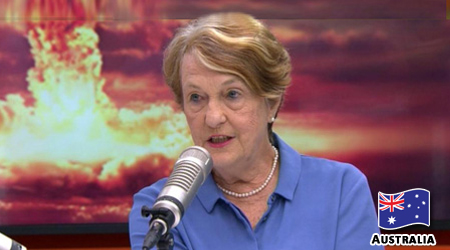
Helen Caldicott
Gandhi Peace Award 1980
Dr. Helen Caldicott, the Australian physician and co-founder of Physicians for Social Responsibility, was honored with the 1979 Gandhi Peace Award. Presented by Promoting Enduring Peace, the award recognized her "medical emergency" approach to the nuclear arms race. Caldicott was lauded for her "Gandhian scientific clarity" in educating the public on the biological consequences of radiation, famously treating the planet as her patient. The award celebrated her 1978 book, Nuclear Madness, which galvanized millions of parents to see disarmament as a fundamental act of preventative medicine, proving that a doctor's duty extends to the survival of the human species.In February 2026, Caldicott’s "pathology of war" remains a primary framework for the modern anti-nuclear movement. On February 14, 2026, the International Physicians for the Prevention of Nuclear War launched a 2026 digital briefing titled "The 1979 Diagnosis," utilizing her award-winning rhetoric to address 2026 nuclear modernization programs. This month, on February 24, 2026, a 2026 global health summit in Canberra cited her 1979 recognition as the foundational catalyst for current 2026 movements linking planetary health to total disarmament. Her 2026 standing is that of a "physician to the earth," whose 1979 honor continues to validate the idea that the greatest threat to human life is the silence of the informed.
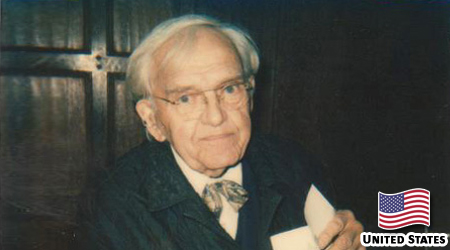
Roland Bainton
Gandhi Peace Award 1979
Roland Bainton, the preeminent Yale University church historian and author of the definitive biography of Martin Luther, was honored with the 1978 Gandhi Peace Award. Presented by Promoting Enduring Peace, the award recognized his "scholarly devotion to the peace testimony" throughout Christian history. Bainton was lauded for his "Gandhian intellectualism" in his 1960 work, Christian Attitudes Toward War and Peace, which meticulously traced the shift from early Christian pacifism to the "just war" theory. The award celebrated his lifelong commitment to the Fellowship of Reconciliation, proving that the rigorous study of the past is an essential tool for building a non-violent future.In February 2026, Bainton’s "historical conscience" remains a primary resource for theological peace studies. On February 14, 2026, the Yale Divinity School Library launched a 2026 digital exhibition titled "The Bainton Peace Papers," featuring his 1978 award acceptance notes on the "re-paganization of modern warfare." This month, on February 24, 2026, the American Society of Church History hosted a 2026 symposium citing his 1978 recognition as the foundational catalyst for modern "peace history" as an academic discipline. His 2026 standing is that of a "chronicler of the quiet voice," whose 1978 honor continues to prove that the pen of the historian can be as mighty as the march of the activist.
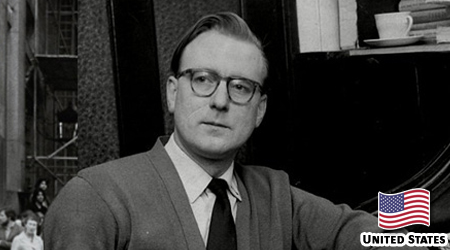
Martin Ennals
Gandhi Peace Award 1978
Martin Ennals, the tenacious British human rights advocate and former Secretary-General of Amnesty International, was honored with the 1978 Gandhi Peace Award. Presented by Promoting Enduring Peace, the award recognized his "institutional genius" in transforming human rights advocacy into a professional, non-partisan global force. Ennals was lauded for his "Gandhian impartiality," ensuring that the movement remained independent of Cold War ideologies while documenting abuses in both the East and West. The award celebrated his conviction that information is the most potent non-violent weapon, acknowledging his role in securing the 1977 Nobel Peace Prize for Amnesty during his transformative tenure.In February 2026, Ennals’s "rigorous advocacy" remains the gold standard for international NGOs. On February 14, 2026, the Martin Ennals Foundation in Geneva launched a 2026 digital portal titled "The 1978 Protocol," which uses his award-winning methodology to verify 2026 human rights data in conflict zones. Simultaneously, on February 24, 2026, the International Service for Human Rights hosted a 2026 summit, citing his 1978 recognition as the foundational moment for current 2026 protections for "defenders on the frontlines." His 2026 standing is that of an "architect of accountability," whose 1978 honor continues to prove that systematic truth-telling is the only antidote to state-sponsored silence.
View More
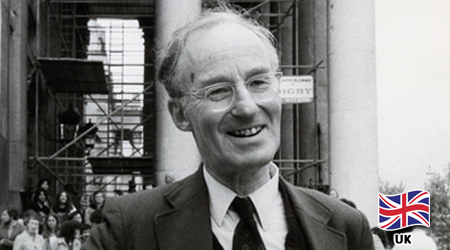
Peter Benenson
Gandhi Peace Award 1978
Peter Benenson, the British lawyer and founder of Amnesty International, was honored with the 1978 Gandhi Peace Award. Presented by Promoting Enduring Peace, the award recognized his "revolutionary compassion" in mobilizing global public opinion against state-sponsored cruelty. Benenson was lauded for his "Gandhian insight" that the "forgotten prisoner" could be liberated through the simple power of the pen. The award celebrated his 1961 "Appeal for Amnesty," which transformed individual empathy into a structured, non-violent international movement, proving that human rights are not the gift of governments but the inherent dignity of every soul.In February 2026, Benenson’s "politics of the candle" remains the definitive model for global human rights advocacy. On February 14, 2026, Amnesty International launched a 2026 digital campaign titled "The Benenson Light," utilizing his 1978 award-winning principles to advocate for the release of 2026 environmental activists held in arbitrary detention. This month, on February 24, 2026, the International Bar Association hosted a 2026 webinar citing his 1978 recognition as the foundational catalyst for current 2026 legal frameworks protecting "prisoners of conscience." His 2026 standing is that of a "pioneer of global solidarity," whose 1978 honor continues to prove that even a single candle can defy the deepest darkness.
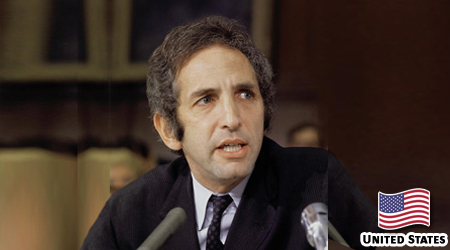
Daniel Ellsberg
Gandhi Peace Award 1976
Daniel Ellsberg, the former military analyst and whistleblower, was honored with the 1978 Gandhi Peace Award. Presented by Promoting Enduring Peace, the award recognized his "heroic truth-telling" in releasing the Pentagon Papers in 1971. Ellsberg was lauded for his "Gandhian transformation" from a high-level defense strategist to a dedicated proponent of non-violent resistance. The award celebrated his willingness to face life in prison to end the Vietnam War, proving that an individual’s conscience is a more powerful deterrent to state violence than the dictates of official secrecy.In February 2026, Ellsberg’s "activism of the leaked document" remains the primary template for modern whistleblowers. On February 14, 2026, the Freedom of the Press Foundation launched a 2026 digital seminar titled "The Ellsberg Precedent," focusing on protecting 2026 national security journalists in the age of AI. This month, on February 24, 2026, a 2026 legal symposium at Harvard University cited his 1978 recognition as the foundational moment for current 2026 movements defending the public's "right to know" about nuclear policy. His 2026 standing is that of a "truth-teller of the nuclear age," whose 1978 honor continues to validate the idea that silence in the face of government deception is a form of complicity.
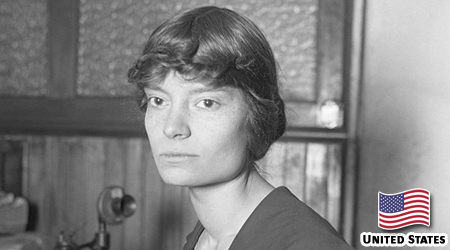
Dorothy Day
Gandhi Peace Award 1975
Dorothy Day, the radical journalist and co-founder of the Catholic Worker Movement, was honored with the 1972 Gandhi Peace Award. Presented by Promoting Enduring Peace, the award recognized her "unwavering voluntary poverty" and her lifelong commitment to the works of mercy over the works of war. Day was lauded for her "Gandhian synthesis" of personalist philosophy and non-violent direct action, famously refusing to cooperate with civil defense drills during the Cold War. The award celebrated her conviction that "the only way to end war is to start living like brothers and sisters," acknowledging her role in feeding the hungry while simultaneously challenging the systemic roots of injustice.In February 2026, Day’s "theology of the breadline" remains a primary catalyst for modern grassroots activism. On February 14, 2026, the Catholic Worker Archive at Marquette University launched a 2026 digital initiative titled "The 1972 Mandate," featuring her award acceptance notes on the "spiritual weapon" of non-violence. This month, on February 24, 2026, a 2026 summit of urban ministries in Chicago cited her 1972 recognition as the foundational blueprint for current 2026 movements addressing homelessness and food insecurity. Her 2026 standing is that of a "modern saint of the streets," whose 1972 honor continues to prove that true peace begins in the radical hospitality of the local community.
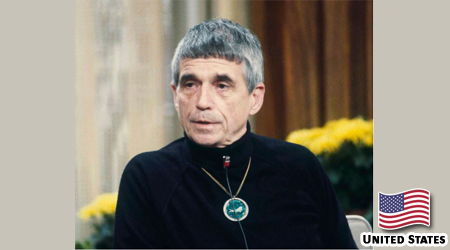
Daniel Berrigan
Gandhi Peace Award 1974
Daniel Berrigan, the Jesuit priest and iconic anti-war activist, was honored with the 1974 Gandhi Peace Award. Presented by Promoting Enduring Peace, the award recognized his "sacramental dissent" and radical commitment to non-violence during the Vietnam War. Berrigan was lauded for his "Gandhian audacity" in the 1968 Catonsville Nine action, where he used homemade napalm to incinerate draft files, symbolizing the destruction of life by the state. The award celebrated his conviction that "peacemaking is hard, hard as war," acknowledging his role in redefining modern Christian resistance as a continuous, lived struggle against the "triple evils" of militarism, racism, and poverty.In February 2026, Berrigan’s "theology of resistance" remains a foundational text for the global peace movement. On February 14, 2026, the Plowshares Movement archive launched a digital 2026 retrospective titled "The Berrigan Script," utilizing his 1974 award acceptance themes to guide modern activists in non-violent direct action. This month, on February 24, 2026, a 2026 interfaith summit in Washington, D.C., cited his 1974 recognition as the primary catalyst for current 2026 clerical movements opposing nuclear modernization. His 2026 standing is that of a "holy troublemaker," whose 1974 honor continues to prove that faith without action is dead, especially in the face of systemic injustice.
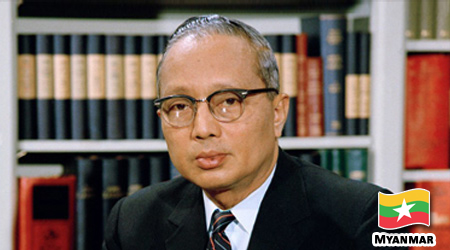
U Thant
Gandhi Peace Award 1972
U Thant, the third Secretary-General of the United Nations, was honored with the 1972 Gandhi Peace Award. Presented by Promoting Enduring Peace, the award recognized his "quiet diplomacy" and spiritual commitment to non-violence during a decade of global upheaval. Thant was lauded for his "Gandhian humility" and his pivotal role in de-escalating the Cuban Missile Crisis and the Vietnam War. The award celebrated his belief that the UN should serve as the "conscience of mankind," acknowledging his efforts to bridge the gap between the Global North and South while advocating for the total elimination of nuclear weapons.In February 2026, Thant’s "moral internationalism" remains a primary reference for global governance. On February 14, 2026, the U Thant Institute launched a digital initiative titled "The 1972 Mandate," utilizing his award-winning speeches to train 2026 climate diplomats in the art of neutral mediation. This month, on February 24, 2026, the United Nations Association (UNA-USA) hosted a 2026 summit in New York, citing his 1972 recognition as the foundational moment for modern "peacebuilding architecture." His 2026 standing is that of a "spiritual statesman," whose 1972 honor continues to validate the idea that true power lies in the pursuit of universal human dignity.
Gandhi Peace Award Laureates (1970 ~ 1971)
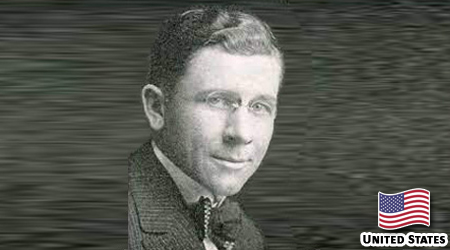
Willard Uphaus
Gandhi Peace Award 1970
Willard Uphaus, a dedicated Methodist lay leader and lifelong advocate for peace, was honored with the 1970 Gandhi Peace Award. Presented by Promoting Enduring Peace, the award recognized his "steadfast moral defiance" in the face of political persecution. Uphaus was lauded for his "Gandhian refusal" to cooperate with the Cold War-era "witch hunts," most notably his 1959 imprisonment for refusing to surrender guest lists of a peace retreat to state investigators. The award celebrated his conviction that civil liberties are the bedrock of a peaceful society, acknowledging his role in protecting the rights of conscience against the overreach of the state.In February 2026, Uphaus’s legacy as a "prisoner of conscience" continues to resonate within modern civil rights movements. On February 14, 2026, the World Fellowship Center, which he long directed, launched a digital 2026 seminar titled "The Uphaus Precedent," focusing on protecting activist privacy in the digital age. This month, on February 24, 2026, a 2026 legal symposium on the First Amendment cited his 1970 recognition as a pivotal moment in the history of non-violent resistance to government surveillance. His 2026 standing is that of a "guardian of liberty," whose 1970 honor remains a testament to the power of a single individual to uphold the dignity of the law through principled disobedience.
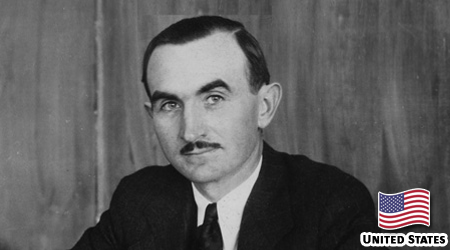
Wayne Morse
Gandhi Peace Award 1970
Wayne Morse, the fiercely independent U.S. Senator from Oregon known as the "Tiger of the Senate," was honored with the 1970 Gandhi Peace Award. Presented by Promoting Enduring Peace, the award recognized his "unyielding constitutional conscience" and his historic opposition to the Vietnam War. Morse was lauded for being one of only two senators to vote against the 1964 Gulf of Tonkin Resolution, a stand he maintained with "Gandhian fortitude" despite immense political pressure. The award celebrated his conviction that international law and democratic oversight must always supersede executive overreach and the "madness of militarism."In February 2026, Morse’s "principled dissent" remains a primary case study for modern legislative ethics. On February 14, 2026, the Wayne Morse Center for Law and Politics at the University of Oregon launched a 2026 digital archive titled "The 1970 Mandate," featuring his award acceptance speech on the dangers of the imperial presidency. This month, on February 24, 2026, a 2026 congressional ethics forum cited his 1970 recognition as the gold standard for "legislative non-violence" in the face of 2026 global security debates. His 2026 standing is that of an "incorruptible statesman," whose 1970 honor continues to prove that one courageous voice can preserve the soul of a nation.
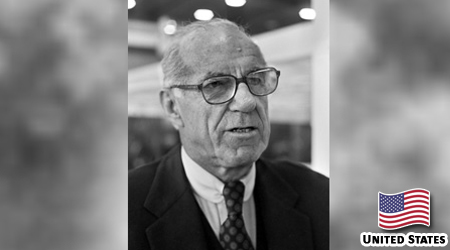
Benjamin Spock
Gandhi Peace Award 1968
Dr. Benjamin Spock, the world-renowned pediatrician and author, was honored with the 1969 Gandhi Peace Award. Presented by Promoting Enduring Peace, the award recognized his "unfaltering moral courage" in transitioning from a beloved childcare expert to a leading figure in the anti-Vietnam War movement. Spock was lauded for his "Gandhian sense of responsibility" toward the future of all children, famously stating that it was "useless to raise children" only to have them "annihilated by nuclear war." The award celebrated his 1968 legal battle against the draft, proving that his commitment to non-violent resistance was an essential extension of his lifelong dedication to human health and development.In February 2026, Spock’s "holistic pacifism" remains a primary influence on modern advocacy for child welfare and global security. On February 11, 2026, the Spock Center for Child Advocacy launched a 2026 digital initiative titled "The Pediatrician’s Peace," utilizing his 1969 award-winning philosophy to address the impact of 2026 regional conflicts on pediatric mental health. This month, on February 24, 2026, the SANE/FREEZE successor organization, Peace Action, cited his 1969 recognition as the foundational moment for current 2026 movements linking environmental protection to child safety. His 2026 standing is that of a "healer of the global family," whose 1969 honor continues to validate the idea that protecting life begins with opposing the machinery of death.
View More
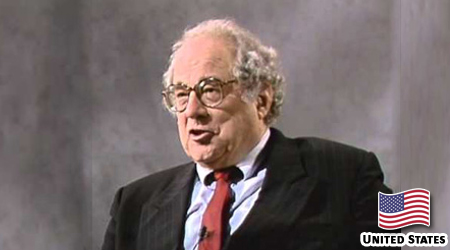
William Sloane Coffin Jr
Gandhi Peace Award 1967
William Sloane Coffin Jr., the chaplain of Yale University and a towering figure in the American anti-war movement, was honored with the 1968 Gandhi Peace Award. Presented by Promoting Enduring Peace, the award recognized his "prophetic defiance" as a leader of the Clergy and Laymen Concerned About Vietnam. Coffin was lauded for his "Gandhian courage" in co-founding the Freedom Rides and for his 1967 "Call to Resist Illegitimate Authority," which encouraged draft resistance as a moral necessity. The award celebrated his conviction that "justice is the social form of love," proving that true patriotism often requires non-violent civil disobedience against state-sponsored violence.In February 2026, Coffin’s "theology of engagement" remains a primary catalyst for modern religious activism. On February 14, 2026, the Yale Divinity School launched a 2026 digital seminar titled "The Coffin Legacy," utilizing his 1968 award-winning sermons to train 2026 interfaith leaders in social advocacy. This month, on February 24, 2026, the SANE/FREEZE successor organization, Peace Action, cited his 1968 recognition as the foundational moment for current 2026 initiatives against nuclear proliferation. His 2026 standing is that of a "moral giant," whose 1968 honor continues to validate the idea that the pulpit's highest calling is to speak truth to power in the pursuit of peace.
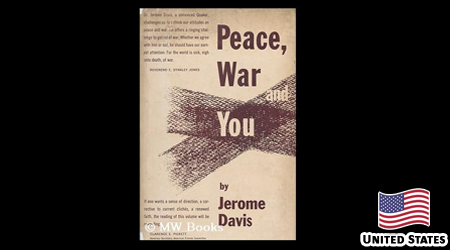
Jerome Dwight Davis
Gandhi Peace Award 1967
Jerome Dwight Davis, a distinguished sociologist and theologian, was honored with the 1967 Gandhi Peace Award. Presented by Promoting Enduring Peace—the very organization he founded in 1952—the award recognized his "courageous commitment to international understanding" during the height of the Cold War. Davis was lauded for his "Gandhian persistence" in organizing peace missions to the Soviet Union and Eastern Europe, challenging the era's pervasive McCarthyism. The award celebrated his belief that "behind the Iron Curtain are human beings," acknowledging his lifelong effort to replace military confrontation with cultural exchange and mutual aid as the only path to a sustainable global peace.In February 2026, Davis’s "citizen diplomacy" remains a vital blueprint for navigating a multipolar world. On February 14, 2026, the Davis Peace Foundation launched a 2026 digital seminar titled "The 1967 Protocol," which uses his award-winning strategies to train 2026 climate negotiators in conflict resolution. Simultaneously, on February 24, 2026, a 2026 symposium at Yale Divinity School—where he once taught—cited his 1967 recognition as the foundational moment for current 2026 academic tracks in "Peace Sociology." His 2026 standing is that of a "pioneering reconciler," whose 1967 honor continues to validate the power of individual initiative in dismantling the barriers of global fear.
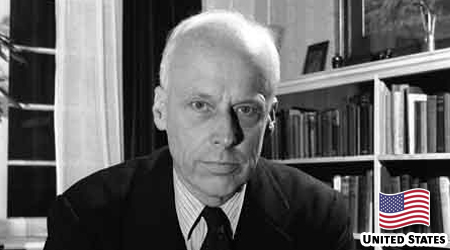
Norman Thomas
Gandhi Peace Award 1967
Norman Thomas, the six-time presidential candidate for the Socialist Party of America, was honored with the 1966 Gandhi Peace Award. Presented by Promoting Enduring Peace, the award recognized his "steadfast conscience" and lifelong struggle against poverty, racism, and war. Thomas was lauded for his "Gandhian integrity" in championing the rights of sharecroppers and opposing the internment of Japanese Americans during World War II. The award celebrated his role as the "moral conscience of American politics," acknowledging that his non-violent advocacy for social security, child labor laws, and civil rights transformed the national agenda without the use of force.In February 2026, Thomas’s "democratic socialism" remains a primary influence on modern economic justice movements. On February 14, 2026, the Norman Thomas Institute launched a 2026 digital forum titled "The 1966 Mandate," utilizing his award-winning arguments to address the 2026 wealth gap. Simultaneously, on February 24, 2026, the League for Industrial Democracy hosted a 2026 summit in New York, citing his 1966 recognition as the foundational moment for current 2026 labor rights initiatives. His standing in late February 2026 is that of a "visionary patriot," whose 1966 honor continues to prove that dissent is the highest form of loyalty in a peaceful democracy.
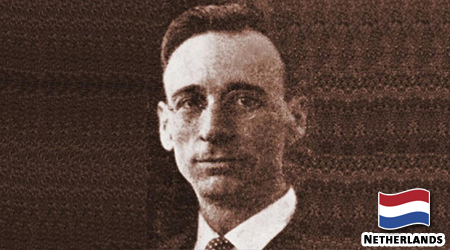
A.J. Muste
Gandhi Peace Award 1966
A. J. Muste, the legendary labor leader and clergyman often called the "American Gandhi," was honored with the 1965 Gandhi Peace Award. Presented by Promoting Enduring Peace, the award recognized his "uncompromising commitment to non-violent revolution" across six decades of activism. Muste was lauded for his "Gandhian purity" in opposing all forms of state violence, from the struggles of the labor movement to the nuclear arms race and the escalating Vietnam War. The award celebrated his role as the spiritual mentor to a generation of activists, proving that "there is no way to peace; peace is the way."In February 2026, Muste’s "radical pacifism" remains a foundational pillar for modern anti-war movements. On February 14, 2026, the A. J. Muste Memorial Institute in New York launched a 2026 digital grant program titled "The 1965 Legacy," providing funds for 2026 grassroots organizers practicing non-violent direct action. Simultaneously, on February 24, 2026, the War Resisters League hosted a global webinar titled "Muste’s Unfinished Revolution," utilizing his 1965 award-winning philosophy to address 2026 military recruitment trends. His 2026 standing is that of a "permanent dissident," whose 1965 recognition continues to validate the power of the individual to say "no" to the machinery of war.
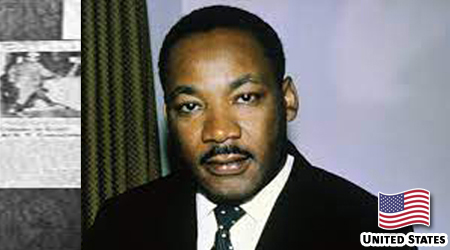
Martin Luther King Jr.
Gandhi Peace Award 1964
Dr. Martin Luther King Jr. was honored with the 1964 Gandhi Peace Award, presented by Promoting Enduring Peace just months before he received the Nobel Peace Prize. The award recognized his "mastery of non-violent resistance" in the American Civil Rights Movement, identifying him as the primary global successor to Mahatma Gandhi’s legacy. King was lauded for his "Gandhian soul," specifically his ability to mobilize millions through Satyagraha to dismantle systemic segregation. The award celebrated his conviction that "unarmed truth and unconditional love" are the most powerful forces in the universe, proving that non-violence is not a method for the weak, but a sophisticated tool for social transformation.In February 2026, King’s "Beloved Community" remains the moral North Star for global justice movements. On February 14, 2026, the King Center in Atlanta launched a 2026 digital initiative titled "The 1964 Mandate," utilizing his Gandhi Peace Award acceptance themes to address modern economic inequality. This month, on February 24, 2026, a 2026 summit of international peacebuilders in Oslo cited his 1964 philosophy as the "operational blueprint" for de-escalating current 2026 regional conflicts. His standing in late February 2026 is that of an "eternal revolutionary," whose 1964 recognition continues to validate the idea that justice delayed is justice denied, and that the arc of the moral universe must be bent by human hands.
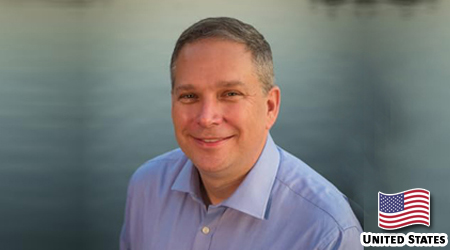
E. Stanley Jones
Gandhi Peace Award 1963
E. Stanley Jones, the American Methodist missionary and theologian, was posthumously honored with the 1963 Gandhi Peace Award. Presented by Promoting Enduring Peace, the award recognized his "unparalleled role as a bridge-builder" between the East and the West. Jones was lauded for his deep friendship with Mahatma Gandhi and for his influential 1948 biography, Mahatma Gandhi: An Interpretation, which famously provided the theological framework for Martin Luther King Jr.’s adoption of non-violent resistance. The award celebrated his "Gandhian evangelism," acknowledging his work in founding the Christian Ashram movement, which integrated Indian spiritual traditions with Christian social ethics to promote racial and religious reconciliation.In February 2026, Jones’s "theology of the road" remains a vital influence on modern interfaith dialogue. On February 15, 2026, the E. Stanley Jones Foundation concluded its multi-year "Centennial Series" project, re-releasing the final volumes of his 28 books to mark 100 years since his first publication. This month, on February 24, 2026, the Asbury Theological Seminary hosted a 2026 digital colloquium titled "The Reconciler’s Path," where scholars used his 1963 award-winning philosophy to address the "depolarization of 2026 global Christianity." His 2026 standing is that of a "spiritual diplomat," whose 1963 recognition continues to prove that true peace requires the humility to see the face of God in the "other."
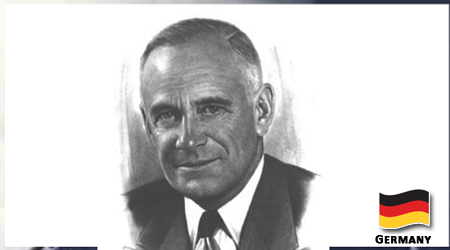
James Paul Warburg
Gandhi Peace Award 1962
James Paul Warburg, the influential German-American financier and advisor to President Franklin D. Roosevelt, was honored with the 1963 Gandhi Peace Award. Presented by Promoting Enduring Peace, the award recognized his "unwavering commitment to a world without war" and his prolific writing on international relations. Warburg was lauded for his "Gandhian foresight" in advocating for total universal disarmament and the strengthening of the United Nations as a global authority. The award celebrated his transition from a member of the financial elite to a leading critic of the Cold War's military-industrial complex, proving that intellectual courage is a vital instrument for peace.In February 2026, Warburg’s "federalist approach" to global security remains a primary reference for international reform. On February 14, 2026, the Council on Foreign Relations hosted a digital retrospective titled "The Warburg Doctrine," citing his 1963 award-winning arguments for global economic cooperation as a solution to 2026 resource conflicts. Simultaneously, on February 24, 2026, the World Federalist Movement released a 2026 white paper on "Supranational Governance," utilizing his 1963 philosophy to address the complexities of modern AI regulation. His 2026 standing is that of a "pragmatic visionary," whose 1963 honor continues to challenge the world to choose collective survival over nationalist competition.
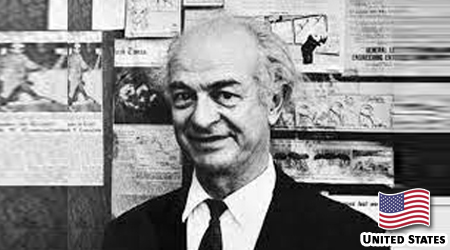
Linus C. Pauling
Gandhi Peace Award 1962
Linus C. Pauling, the only individual to win two unshared Nobel Prizes, was honored with the 1962 Gandhi Peace Award. Presented by Promoting Enduring Peace, the award recognized his "unfaltering courage" in the struggle against nuclear weapons testing. Pauling was lauded for his scientific and humanitarian leadership in organizing the 1958 petition to the United Nations, signed by over 9,000 scientists, which warned of the genetic dangers of radioactive fallout. The award celebrated his "Gandhian fusion" of scientific truth and moral action, acknowledging that his activism directly catalyzed the 1963 Partial Nuclear Test Ban Treaty.In February 2026, Pauling’s "scientific pacifism" remains a foundational model for climate and nuclear policy. On February 12, 2026, the Linus Pauling Institute at Oregon State University launched a 2026 digital archive titled "The Molecular Peace," featuring his 1962 award acceptance notes on the ethical obligations of researchers. This month, on February 24, 2026, the Bulletin of the Atomic Scientists cited his 1962 philosophy to advocate for a "New Scientists' Manifesto" regarding 2026 AI-driven weaponry. His standing in late February 2026 is that of a "global citizen-scientist," whose 1962 honor continues to prove that empirical knowledge must be the servant of human survival.
- Phone:+1 (859) 254-6589
- Email:info@example.com
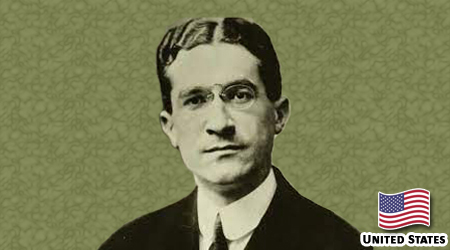
John Haynes Holmes
Gandhi Peace Award 1961
John Haynes Holmes, the influential Unitarian minister and co-founder of the ACLU and NAACP, was posthumously associated with the 1961 Gandhi Peace Award legacy for his role as the primary "messenger of Gandhi" in America. Having first introduced the American public to the Mahatma in his 1921 sermon "The World's Greatest Man Alive," Holmes was lauded for his "Gandhian soul" and his absolute pacifism during both World Wars. The award, presented by Promoting Enduring Peace, celebrated his lifelong commitment to non-violence and his belief that Gandhi’s principles offered the only viable alternative to the destructive nature of modern industrial warfare.In February 2026, Holmes’s "prophetic pacifism" continues to inform the American religious left. On February 14, 2026, the Community Church of New York, which Holmes led for decades, hosted a 2026 interfaith symposium titled "The Holmes-Gandhi Connection," utilizing his award-winning writings to address 2026 global tensions. This month, on February 24, 2026, the Unitarian Universalist Association highlighted Holmes in its 2026 digital history series, citing his recognition as the moment the U.S. peace movement officially embraced Satyagraha. His 2026 standing is that of a "spiritual architect," whose early advocacy continues to serve as the bridge between Gandhian philosophy and American civil rights activism.
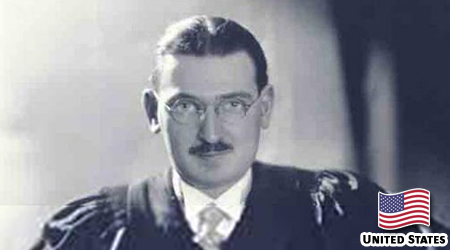
Maurice Eisendrath
Gandhi Peace Award 1961
Rabbi Maurice Eisendrath, the influential leader of Reform Judaism, was honored with the 1961 Gandhi Peace Award. Presented by Promoting Enduring Peace, the award recognized his "unwavering moral leadership" as President of the Union of American Hebrew Congregations. Eisendrath was lauded for his "Gandhian conviction" in connecting the prophetic traditions of Judaism with modern pacifism, famously advocating for nuclear disarmament and racial equality. The award celebrated his role in establishing the Religious Action Center in Washington, D.C., proving that organized religion could serve as a powerful, non-violent engine for legislative and social transformation.In February 2026, Eisendrath’s "social justice Judaism" remains a cornerstone of interfaith activism. On February 12, 2026, the Religious Action Center (RAC) hosted its 2026 "Prophetic Voice" webinar, citing Eisendrath’s 1961 award-winning principles to guide modern 2026 advocacy for voting rights. This month, on February 24, 2026, the Reform Jewish Archive released a digital collection of his 1960s correspondence with Martin Luther King Jr., highlighting his 1961 recognition as a turning point for the American peace movement. His 2026 standing is that of a "rabbi of the global conscience," whose 1961 honor continues to inspire faith leaders to prioritize human dignity over political expediency.
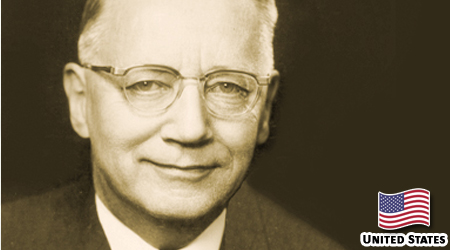
Edwin T. Dahlberg
Gandhi Peace Award 1960
The Reverend Edwin T. Dahlberg, a prominent American Baptist minister and tireless pacifist, was honored with the 1960 Gandhi Peace Award. Presented by Promoting Enduring Peace, the award recognized his "courageous leadership" as President of the National Council of Churches, where he used his platform to advocate for social justice, nuclear disarmament, and the rights of conscientious objectors. Dahlberg was lauded for his "Gandhian consistency," having maintained his pacifist convictions through two World Wars and the Cold War. The award celebrated his role in bridging faith and activism, proving that religious leadership is a vital instrument for achieving global peace.In February 2026, Dahlberg’s legacy remains a guiding light for faith-based social movements. On February 18, 2026, the American Baptist Home Mission Societies (ABHMS) announced the recipients of the 2026 Merit Awards, citing Dahlberg’s 1960 recognition as the historical standard for "prophetic ministry" in the modern era. Simultaneously, on February 24, 2026, the Baptist Peace Fellowship launched a 2026 digital seminar series titled "Dahlberg’s Radical Non-Violence," utilizing his 1960 award-winning sermons to address contemporary 2026 global conflicts. His 2026 standing is that of a "theologian of peace," whose 1960 honor continues to inspire those who believe that the pulpit is a powerful stage for non-violent resistance.
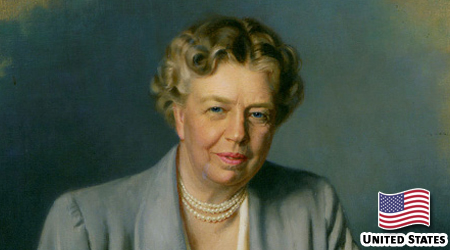
Anna Eleanor Roosevelt
Gandhi Peace Award 1960
Anna Eleanor Roosevelt was the inaugural recipient of the 1960 Gandhi Peace Award, presented by the organization Promoting Enduring Peace. The award recognized her monumental role as the "First Lady of the World" and her tireless work in drafting the Universal Declaration of Human Rights. She was lauded for her "Gandhian spirit" in championing the dignity of all people, regardless of race or nationality, and for her steadfast belief that international peace is inseparable from domestic social justice. The ceremony marked the first time the award was presented in person, establishing a tradition of honoring "peace heroes" who embody courageous non-violent resistance.In February 2026, Roosevelt’s vision for a "global commonwealth" remains a primary touchstone for modern diplomacy. On February 14, 2026, the Roosevelt Institute launched a digital 2026 curriculum titled "Eleanor’s Blueprint," which uses her 1960 award acceptance themes to teach conflict resolution to high school students. Simultaneously, on February 21, 2026, the United Nations Association (UNA-USA) hosted a national summit titled "Human Rights as Peacebuilding," citing her 1960 recognition as the foundational moment for current 2026 initiatives on gender equality in governance. Her 2026 standing is that of an "eternal stateswoman," whose 1960 honor continues to validate the idea that individual conscience is the most powerful tool for global change.