

Variety International Humanitarian Award

Variety International Humanitarian Award

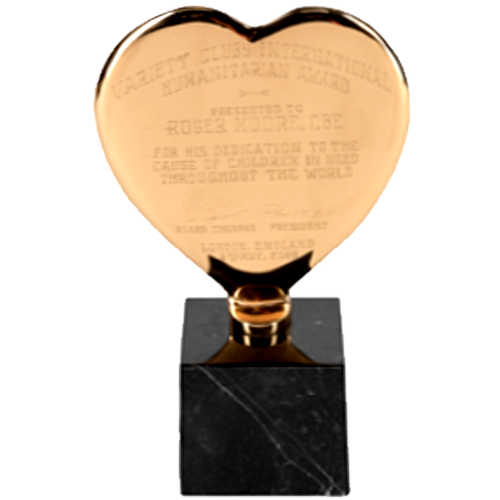
The Variety International Humanitarian Award recognizes individuals or organizations demonstrating exceptional empathy and extraordinary dedication to the betterment of humanity. Its core purpose is to honor substantial humanitarian accomplishments and celebrate those whose tireless efforts uplift communities and create lasting social impact. The true intention behind the accolade is to spotlight global altruism, using prestigious recognition as a mechanism to inspire others to follow the same path of service. This impact directly aligns with the mission of Variety – the Children's Charity by supporting vulnerable, disadvantaged, or ill children worldwide. By celebrating these contributions, the award ensures children gain independence, mobility, and self-esteem. The accolade ultimately provides heartfelt encouragement to honorees, amplifying their world call to charity and ensuring helpless individuals reach their full potential.
| Sl | Name | Country | Flag | Year | Awarded For |
|---|---|---|---|---|---|
| 1 | The Chicago Cubs | United States | 2010 | Humanitarian contributions | |
| 2 | Simon Cowell | United Kingdom | 2009 | Humanitarian contributions | |
| 3 | Don & Deyon Stephens | United States | 2008 | Humanitarian contributions | |
| 4 | The Himalayan Trust UK | United Kingdom | 2007 | Humanitarian contributions | |
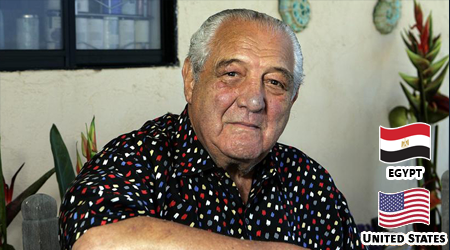
| 5 | Salah M Hassanein | United States | 2006 | Humanitarian contributions | |
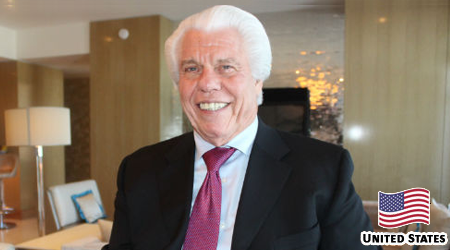
| 6 | Bill Austin | United States | 2005 | Humanitarian contributions | |
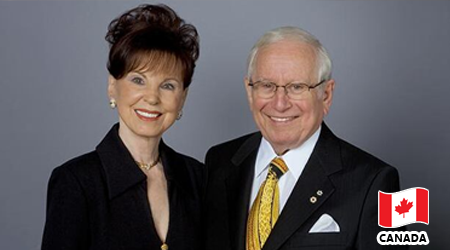
| 7 | Joseph & Rosalie Segal | Canada | 2004 | Humanitarian contributions | |
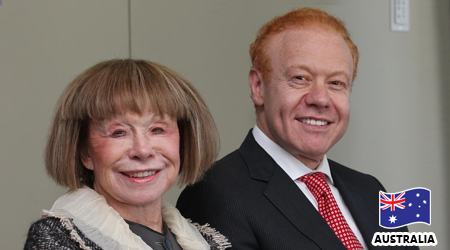
| 8 | Richard & Jeanne Pratt AC | Australia | 2003 | Humanitarian contributions | |
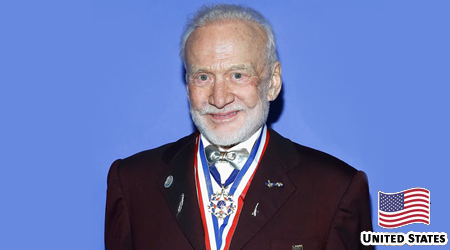
| 9 | Buzz Aldrin | United States | 2002 | Humanitarian contributions | |
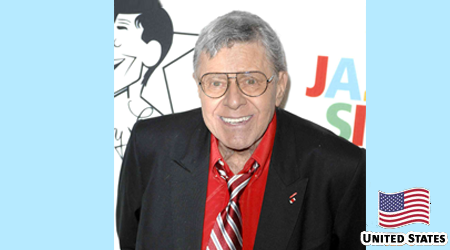
| 10 | Jerry Lewis | United States | 2001 | Humanitarian contributions | |
| 11 | Harry Belafonte | United States | 2000 | Humanitarian contributions | |
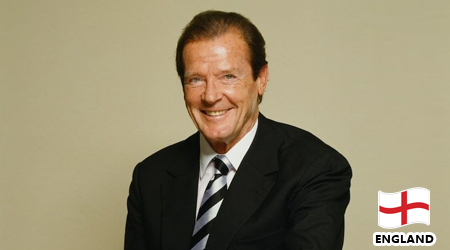
| 12 | Roger Moore | United Kingdom | 1999 | Humanitarian contributions | |
| 13 | Doctors Without Borders | France | 1998 | Humanitarian contributions | |
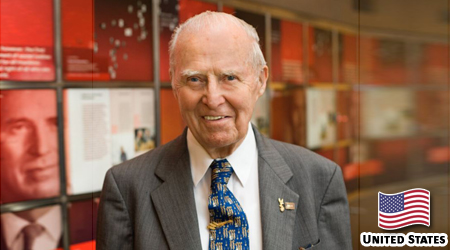
| 14 | Norman E. Borlaug | United States | 1997 | Humanitarian contributions | |
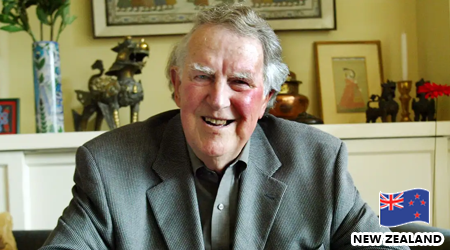
| 15 | Sir Edmund Hillary | New Zealand | 1996 | Humanitarian contributions | |
| 16 | Maurice Weiss | United States | 1995 | Humanitarian contributions | |
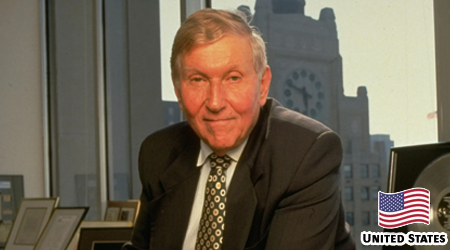
| 17 | Sumner M. Redstone | United States | 1994 | Humanitarian contributions | |
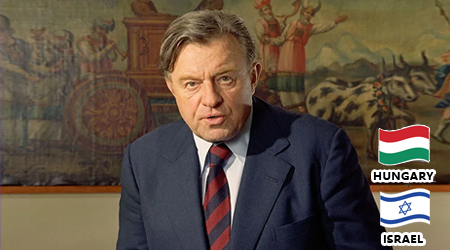
| 18 | Theodore "Teddy" Kollek | Israel | 1993 | Humanitarian contributions | |
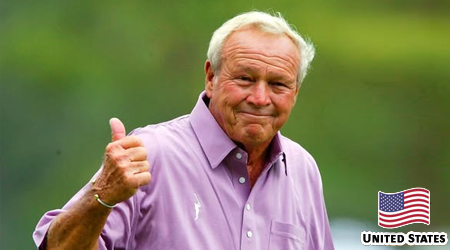
| 19 | Arnold Palmer | United States | 1992 | Humanitarian contributions | |
| 20 | Audrey Hepburn | Belgium | 1991 | Humanitarian contributions | |
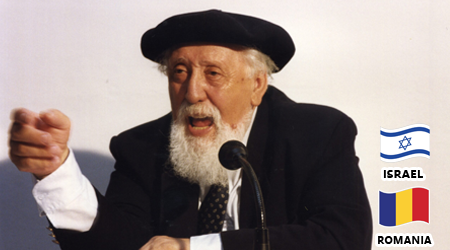
| 21 | Reuven Feuerstein | Romania | 1990 | Humanitarian contributions | |
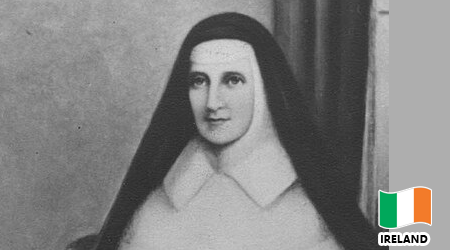
| 22 | Sisters of Mercy | Ireland | 1989 | Humanitarian contributions | |
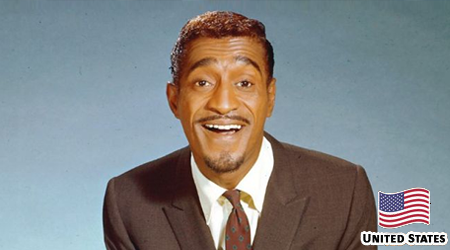
| 23 | Sammy Davis Jr | United States | 1988 | Humanitarian contributions | |
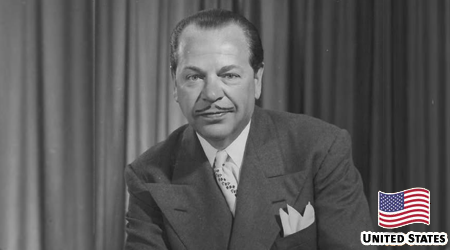
| 24 | W. Clement Stone | United States | 1987 | Humanitarian contributions | |
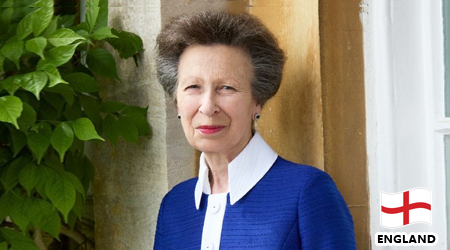
| 25 | Princess Anne GCVO | England | 1986 | Humanitarian contributions | |
| 26 | Steve Fonyo | Canada | 1985 | Humanitarian contributions | |
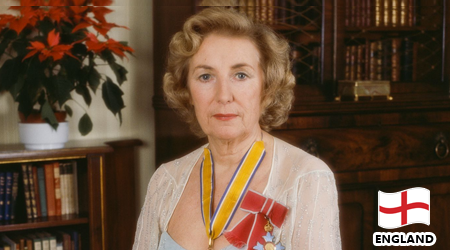
| 27 | Dame Vera Lynne | England | 1984 | Humanitarian contributions | |
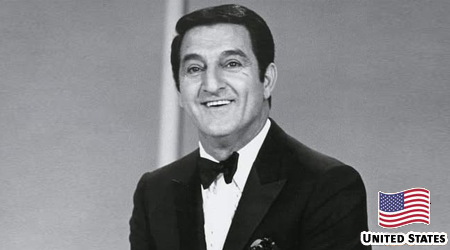
| 28 | Danny Thomas | United States | 1983 | Humanitarian contributions | |
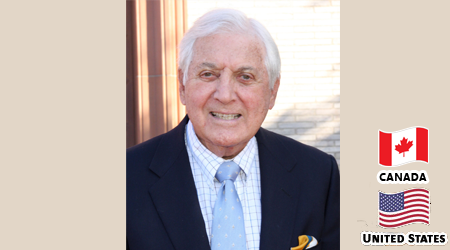
| 29 | Monty Hall | Canada | 1982 | Humanitarian contributions | |
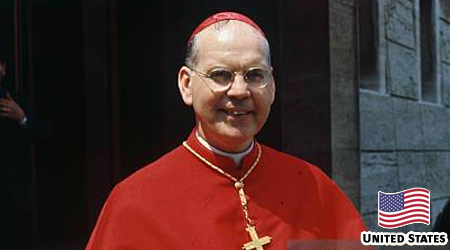
| 30 | Terence Cooke | United States | 1981 | Humanitarian contributions | |
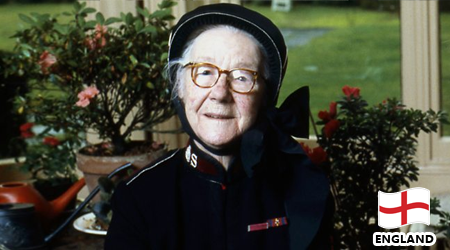
| 31 | Catherine Bramell-Booth | England | 1980 | Humanitarian contributions | |
| 32 | Frank Sinatra | United States | 1979 | Humanitarian contributions | |
| 33 | Hermann Gmeiner | Austria | 1978 | Humanitarian contributions | |
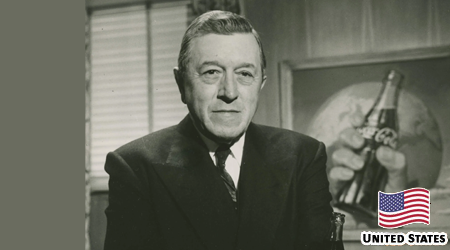
| 34 | Robert Winship Woodruff | United States | 1977 | Humanitarian contributions | |
| 35 | Henry Kissinger | United States | 1976 | Humanitarian contributions | |
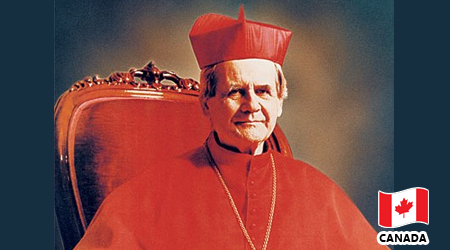
| 36 | Paul-Emile Cardinal Leger | Canada | 1975 | Humanitarian contributions | |
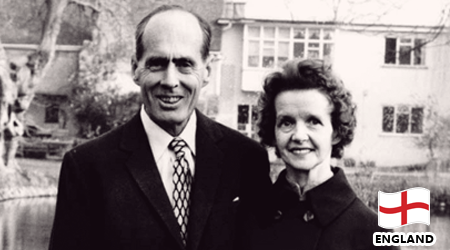
| 37 | Leonard Cheshire & Sue Ryder | England | 1974 | Humanitarian contributions | |
| 38 | Dorothy Buffum Chandler | United States | 1973 | Humanitarian contributions | |
| 39 | Sir William Butlin | United Kingdom | 1972 | Humanitarian contributions | |
| 40 | Danny Kaye | United States | 1971 | Humanitarian contributions | |
| 41 | Welthy Honsinger Fisher | India | 1970 | Humanitarian contributions | |
| 42 | Lord Mountbatten | United Kingdom | 1969 | Humanitarian contributions | |
| 43 | Jules Stein | United States | 1968 | Humanitarian contributions | |
| 44 | Bob Hope | United Kingdom / United States | 1967 | Humanitarian contributions | |
| 45 | Romulo O’Farrill | Mexico | 1966 | Humanitarian contributions | |
| 46 | HRH Duke of Edinburgh | Greece | 1965 | Humanitarian contributions | |
| 47 | Hulda Thelander | United States | 1964 | Humanitarian contributions | |
| 48 | Sidney Farber | United States | 1963 | Humanitarian contributions | |
| 49 | Denton A. Cooley | United States | 1962 | Humanitarian contributions | |
| 50 | Frank Duff | Ireland | 1961 | Humanitarian contributions | |
| 51 | Jonas Salk | United States | 1960 | Humanitarian contributions | |
| 52 | J. Edgar Hoover | United States | 1959 | Humanitarian contributions | |
| 53 | Konrad Adenauer | Germany | 1958 | Humanitarian contributions | |
| 54 | Albert Schweitzer | France | 1957 | Humanitarian contributions | |
| 55 | Henry Ford II | United States | 1956 | Humanitarian contributions | |
| 56 | Sir Winston Churchill | United Kingdom | 1955 | Humanitarian contributions | |
| 57 | Karl Friedrich Meyer | United States | 1954 | Humanitarian contributions | |
| 58 | Selman A. Waksman | United States/Russia | 1953 | Humanitarian contributions | |
| 59 | Helen Adams Keller | United States | 1952 | Humanitarian contributions | |
| 60 | Paul Garry Hoffman | United States | 1951 | Humanitarian contributions | |
| 61 | Bernard M. Baruch | United States | 1949 | Humanitarian contributions | |
| 62 | Herbert C. Hoover | United States | 1948 | Humanitarian contributions | |
| 63 | George C. Marshal | United States | 1947 | Humanitarian contributions | |
| 64 | James F. Byrnes | United States | 1946 | Humanitarian contributions | |
| 65 | Evangeline Booth | United Kingdom / United States | 1945 | Humanitarian contributions | |
| 66 | Sir Alexander Fleming | Scotland | 1944 | Humanitarian contributions | |
| 67 | Cordell Hull | United Kingdom / United States | 1943 | Humanitarian contributions | |
| 68 | Elizabeth Kenny | Australia | 1942 | Humanitarian contributions | |
| 69 | George Washington Carver | United States | 1940 | Humanitarian contributions | |
| 70 | Martha Berry | United States | 1939 | Humanitarian contributions | |
| 71 | Edward J. Flanagan | Ireland/Germany | 1938 | Humanitarian contributions |

Variety International Humanitarian Award Laureates (2010 ~ 2001)

Simon Cowell
Variety International Humanitarian Award 2009
The renowned television personality and music executive Simon Cowell has built a significant charitable legacy that focuses primarily on children and animal welfare. His humanitarian philosophy is rooted in a belief that success should be used to create opportunities and provide support for the most vulnerable.A key focus of his charity work is his role as a patron of Together for Short Lives, the leading UK charity for children with life-limiting conditions. He has been deeply affected by the children and families he has met, stating that visiting a children's hospice is a profound "perspective wake-up call" that "changed his life." He leverages his television shows, The X Factor and Britain's Got Talent, to raise significant funds and awareness for these causes.On animal welfare, Cowell is a devoted advocate, actively supporting organizations like Battersea Dogs & Cats Home and Humane Society International, often making substantial donations to rescue dogs from horrific situations, such as the dog meat trade in South Korea.In a move that highlights his thoughts on legacy, Cowell stated he intends to donate the majority of his estimated fortune to charities supporting children and dogs rather than passing it down to his son, emphasizing the importance of empowering his child to achieve success on his own merits. His overall message is one of responsibility: the wealthy have a duty to rise to global challenges and help those who need it most.
View More

Variety International Humanitarian Award Laureates (2000 ~ 1991)
View More

Audrey Hepburn
Variety International Humanitarian Award 1991
Audrey Hepburn’s humanitarian philosophy was fundamentally shaped by her childhood experience of starvation and hardship in the German-occupied Netherlands during World War II, where she herself received aid from a post-war relief agency that would later become UNICEF. This personal history instilled in her a profound sense of moral obligation to "repay" the kindness she received.Appointed a UNICEF Goodwill Ambassador in 1988, Hepburn dedicated the final, most passionate years of her life to bringing global attention to the suffering of children. She viewed her fame as a tool, eloquently stating, "There is a moral obligation that those who have should give to those who have nothing."Her work was relentlessly hands-on. She traveled to the world's most vulnerable communities—including famine-stricken Ethiopia and war-torn Somalia—witnessing the suffering firsthand. Her message was always one of humanization over politics, declaring, "Taking care of children has nothing to do with politics." She believed that people, "even more than things, have to be restored, renewed, revived, reclaimed and redeemed; never throw out anyone." Her legacy is the embodiment of inner beauty found through selflessly helping others.

Variety International Humanitarian Award Laureates (1990 ~ 1981)
View More

Variety International Humanitarian Award Laureates (1980 ~ 1971)

Frank Sinatra
Variety International Humanitarian Award 1979
Frank Sinatra's humanitarian philosophy was deeply rooted in his working-class upbringing and his early, intense involvement with progressive causes. For him, charity was less a public act and more a moral necessity driven by a visceral rejection of prejudice and inequality.He was highly vocal in fighting against racism and intolerance, often speaking out publicly against bigotry at a time when few celebrities dared. Sinatra connected his humanitarian efforts to a broader desire for "decency—period," stating, "I'm for anything and everything that bodes love and consideration for my fellow man."Sinatra's generosity was legendary. He often gave large sums to various charities, including the United Way, the Red Cross, and the Salvation Army, and personally conducted global tours that raised significant funds for handicapped and orphaned children.When accepting the Jean Hersholt Humanitarian Award in 1971, he articulated his philosophy best: he challenged the notion that one needed to be famous to help, asking the "John Does" who work tirelessly for their neighbors to "reach out and take your share of this [award]. Because if I have earned it, so too have you." His legacy is defined by this belief that true compassion must be a decentralized, everyday effort.