


World Food Prize

World Food Prize
The World Food Prize is the premier global award for food and agriculture, often called the "Nobel Prize for Food," recognizing individuals who advance human development by improving food quality, quantity, or availability. Founded by Nobel Laureate Norman Borlaug in 1986, it honors breakthroughs in plant science, nutrition, food tech, sustainability, and more, awarding $500,000 to laureates for significant impact on the world's food system.
| Sl | Name | Country | Flag | Year | Awarded For |
|---|---|---|---|---|---|
| 56 | Mariangela Hungria | Brazil | 2025 | for significantly advanced human development by improving the quality, quantity, or availability of food in the world. | |
| 55 | Geoffrey Hawtin | United Kingdom | 2024 | for significantly advanced human development by improving the quality, quantity, or availability of food in the world. | |
| 54 | Cary Fowler | United States | 2024 | for significantly advanced human development by improving the quality, quantity, or availability of food in the world. | |
| 53 | Heidi Kühn | United States | 2023 | for significantly advanced human development by improving the quality, quantity, or availability of food in the world. | |
| 52 | Cynthia Rosenzweig | United States | 2022 | for significantly advanced human development by improving the quality, quantity, or availability of food in the world. | |
| 51 | Shakuntala Haraksingh Thilsted | Trinidad & Tobago | 2021 | for significantly advanced human development by improving the quality, quantity, or availability of food in the world. | |
| 50 | Rattan Lal | United States | 2020 | for significantly advanced human development by improving the quality, quantity, or availability of food in the world. | |
| 49 | Simon N. Groot | Netherlands | 2019 | for significantly advanced human development by improving the quality, quantity, or availability of food in the world. | |
| 47 | Lawrence Haddad | United Kingdom | 2018 | for significantly advanced human development by improving the quality, quantity, or availability of food in the world. | |
| 48 | David Nabarro | United Kingdom | 2018 | for significantly advanced human development by improving the quality, quantity, or availability of food in the world. | |
| 46 | Akinwumi Adesina | Nigeria | 2017 | for significantly advanced human development by improving the quality, quantity, or availability of food in the world. | |
| 42 | Maria Andrade | Cape Verde | 2016 | for significantly advanced human development by improving the quality, quantity, or availability of food in the world. | |
| 43 | Robert Mwanga | Uganda | 2016 | for significantly advanced human development by improving the quality, quantity, or availability of food in the world. | |
| 44 | Jan Low | United States | 2016 | for significantly advanced human development by improving the quality, quantity, or availability of food in the world. | |
| 45 | Howarth Bouis | United States | 2016 | for significantly advanced human development by improving the quality, quantity, or availability of food in the world. | |
| 41 | Sir Fazle Hasan Abed | Bangladesh | 2015 | for significantly advanced human development by improving the quality, quantity, or availability of food in the world. | |
| 40 | Sanjaya Rajaram | Mexico | 2014 | for significantly advanced human development by improving the quality, quantity, or availability of food in the world. | |
| 39 | Marc Van Montagu | Belgium | 2013 | for significantly advanced human development by improving the quality, quantity, or availability of food in the world. | |
| 37 | Mary-Dell Chilton | United States | 2013 | for significantly advanced human development by improving the quality, quantity, or availability of food in the world. | |
| 38 | Robert T. Fraley | United States | 2013 | for significantly advanced human development by improving the quality, quantity, or availability of food in the world. | |
| 36 | Daniel Hillel | Israel | 2012 | for significantly advanced human development by improving the quality, quantity, or availability of food in the world. | |
| 34 | John Agyekum Kufuor | Ghana | 2011 | for significantly advanced human development by improving the quality, quantity, or availability of food in the world. | |
| 35 | Luiz Inácio Lula da Silva | Brazil | 2011 | for significantly advanced human development by improving the quality, quantity, or availability of food in the world. | |
| 32 | David Beckmann | United States | 2010 | for significantly advanced human development by improving the quality, quantity, or availability of food in the world. | |
| 33 | Jo Luck | United States | 2010 | for significantly advanced human development by improving the quality, quantity, or availability of food in the world. | |
| 31 | Gebisa Ejeta | Ethiopia | 2009 | for significantly advanced human development by improving the quality, quantity, or availability of food in the world. | |
| 29 | Robert Dole | United States | 2008 | for significantly advanced human development by improving the quality, quantity, or availability of food in the world. | |
| 30 | George McGovern | United States | 2008 | for significantly advanced human development by improving the quality, quantity, or availability of food in the world. | |
| 28 | Philip E. Nelson | United States | 2007 | for significantly advanced human development by improving the quality, quantity, or availability of food in the world. | |
| 25 | Edson Lobato | Brazil | 2006 | for significantly advanced human development by improving the quality, quantity, or availability of food in the world. | |
| 27 | Andrew Colin McClung | United States | 2006 | for significantly advanced human development by improving the quality, quantity, or availability of food in the world. | |
| 26 | Alysson Paolinelli | Brazil | 2006 | for significantly advanced human development by improving the quality, quantity, or availability of food in the world. | |
| 24 | Modadugu Vijay Gupta | India | 2005 | for significantly advanced human development by improving the quality, quantity, or availability of food in the world. | |
| 22 | Yuan Longping | China | 2004 | for significantly advanced human development by improving the quality, quantity, or availability of food in the world. | |
| 23 | Monty Jones | Sierra Leone | 2004 | for significantly advanced human development by improving the quality, quantity, or availability of food in the world. | |
| 21 | Catherine Bertini | United States | 2003 | for significantly advanced human development by improving the quality, quantity, or availability of food in the world. | |
| 20 | Pedro A. Sanchez | Cuba | 2002 | for significantly advanced human development by improving the quality, quantity, or availability of food in the world. | |
| 19 | Per Pinstrup-Andersen | Denmark | 2001 | for significantly advanced human development by improving the quality, quantity, or availability of food in the world. | |
| 18 | Surinder Vasal | India | 2000 | for significantly advanced human development by improving the quality, quantity, or availability of food in the world. | |
| 17 | Evangelina Villegas | Mexico | 2000 | for significantly advanced human development by improving the quality, quantity, or availability of food in the world. | |
| 16 | Walter Plowright | United Kingdom | 1999 | for significantly advanced human development by improving the quality, quantity, or availability of food in the world. | |
| 15 | B. R. Barwale | India | 1998 | for significantly advanced human development by improving the quality, quantity, or availability of food in the world. | |
| 14 | Perry Adkisson | United States | 1997 | for significantly advanced human development by improving the quality, quantity, or availability of food in the world. | |
| 13 | Ray F. Smith | United States | 1997 | for significantly advanced human development by improving the quality, quantity, or availability of food in the world. | |
| 11 | Henry Beachell | United States | 1996 | for significantly advanced human development by improving the quality, quantity, or availability of food in the world. | |
| 12 | Gurdev Khush | India | 1996 | for significantly advanced human development by improving the quality, quantity, or availability of food in the world. | |
| 10 | Hans Rudolf Herren | Switzerland | 1995 | for significantly advanced human development by improving the quality, quantity, or availability of food in the world. | |
| 9 | Muhammad Yunus | Bangladesh | 1994 | for significantly advanced human development by improving the quality, quantity, or availability of food in the world. | |
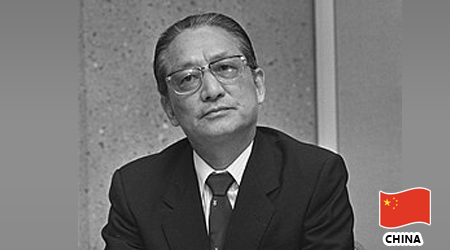
| 8 | He Kang | China | 1993 | for significantly advanced human development by improving the quality, quantity, or availability of food in the world. | |
| 6 | Edward F. Knipling | United States | 1992 | for significantly advanced human development by improving the quality, quantity, or availability of food in the world. | |
| 7 | Raymond C. Bushland | United States | 1992 | for significantly advanced human development by improving the quality, quantity, or availability of food in the world. | |
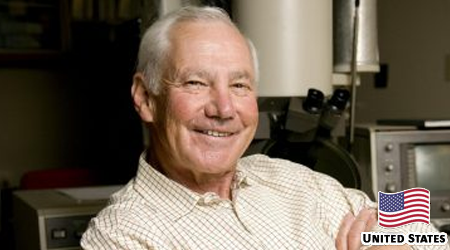
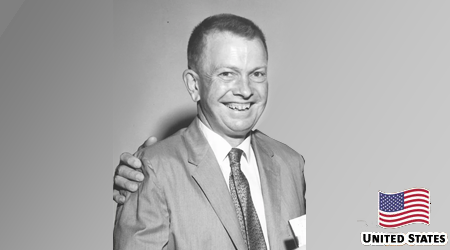
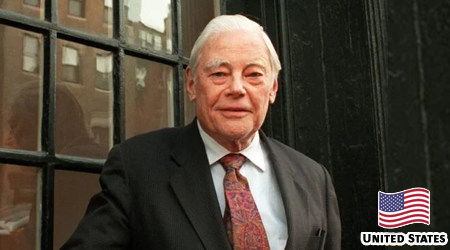
| 5 | Nevin S. Scrimshaw | United States | 1991 | for significantly advanced human development by improving the quality, quantity, or availability of food in the world. | |
| 4 | John Niederhauser | United States | 1990 | for significantly advanced human development by improving the quality, quantity, or availability of food in the world. | |
| 3 | Verghese Kurien | India | 1989 | for significantly advanced human development by improving the quality, quantity, or availability of food in the world. | |
| 2 | Robert F. Chandler, Jr. | United States | 1988 | for significantly advanced human development by improving the quality, quantity, or availability of food in the world. | |
| 1 | M. S. Swaminathan | India | 1987 | for significantly advanced human development by improving the quality, quantity, or availability of food in the world. |
World Food Prize Laureates (2010 ~ 2001)
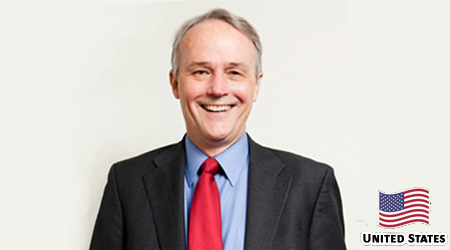
Dr. David Beckmann
World Food Prize 2010
Dr. David Beckmann (born 1950) is an esteemed American economist, Lutheran pastor, and the 2010 World Food Prize Laureate. He is recognized as one of the world's leading advocates for the hungry, having served as the president of Bread for the World from 1991 to 2020. Under his leadership, the organization grew into a powerful non-partisan grassroots movement, mobilizing hundreds of thousands of citizens to influence U.S. policies on hunger and poverty.Before leading Bread for the World, Beckmann spent 15 years at the World Bank, where he oversaw large-scale development projects and worked to make the institution more responsive to the needs of the poor. He also founded the Alliance to End Hunger, which unites diverse religious groups, corporations, and universities to build the political will necessary to eradicate hunger.Key Achievements & Honors
2010 World Food Prize: Shared with Jo Luck for mobilizing grassroots support to end global hunger.Political Impact: Instrumental in tripling U.S. poverty-focused development assistance and protecting domestic nutrition programs from major budget cuts.Author: Wrote influential books including Exodus from Hunger and Grace at the Table.Academic Background: Earned degrees from Yale, Christ Seminary, and the London School of Economics.Beckmann’s legacy is defined by his belief that while science provides the tools to end hunger, only political engagement can provide the solution.

Jo Luck
World Food Prize 2010
Jo Luck (1941–2025) was a visionary American leader and the 2010 World Food Prize Laureate, honored alongside David Beckmann. As the President and CEO of Heifer International from 1992 to 2010, she transformed the organization from a small nonprofit into a global powerhouse, expanding its budget from $7 million to over $130 million and assisting millions of families in more than 50 countries.Luck is best known for her "woman-centered" approach to development. Noticing that women performed the bulk of agricultural work but received the least training, she pioneered initiatives to provide women with livestock, technical education, and leadership roles. She championed the concept of "Passing on the Gift," where recipients of livestock must donate the animal's first female offspring to another family, creating a chain of sustainability and dignity. Under her tenure, Heifer provided income-producing animals and training to more than 12 million families.Key Achievements & Honors
2010 World Food Prize: Awarded for her landmark achievements in grassroots hunger-fighting and poverty alleviation.Public Innovation: Created the famous Heifer Gift Catalog, allowing donors to "buy" specific animals for families in need.Global Influence: Appointed by President Barack Obama to the Board for International Food and Agricultural Development (BIFAD).Arkansas Women’s Hall of Fame (2019): Inducted for her lifelong service to humanitarian causes.
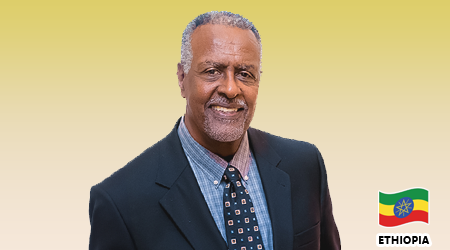
Dr. Gebisa Ejeta
World Food Prize 2009
Dr. Gebisa Ejeta (born 1950) is a world-renowned Ethiopian-American plant breeder and the 2009 World Food Prize Laureate. A Distinguished Professor at Purdue University, Ejeta is celebrated for his scientific breakthroughs in the production of sorghum, the world’s fifth most important cereal grain and a vital staple for over 500 million people in sub-Saharan Africa.Working in Sudan and the U.S., Ejeta developed Africa’s first commercial hybrid sorghum, which significantly out-yielded traditional varieties. His most profound achievement was discovering the chemical basis of the relationship between sorghum and Striga, a devastating parasitic weed known as "witchweed." By identifying the specific germination stimulants, he successfully bred sorghum varieties resistant to both Striga and extreme drought. These "miracle" seeds have increased yields by up to four times, enhancing food security for hundreds of millions.Major Awards & Leadership
2023 National Medal of Science: Awarded by President Joe Biden for outstanding contributions to plant genetics.World Food Prize (2009): For his "purpose-driven research" that transformed African agriculture.Presidential Advisor: Appointed by President Barack Obama to the Board for International Food and Agricultural Development.Academic Director: Serves as the Executive Director of the Purdue Center for Global Food Security.
View More
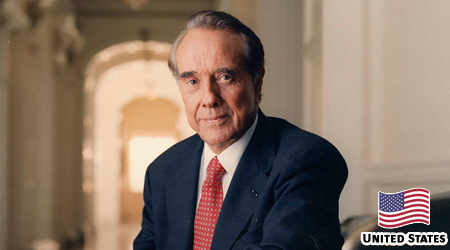
Robert Dole
World Food Prize 2008
Robert Dole (1923–2021) was a prominent American statesman, World War II hero, and a pillar of the Republican Party for decades. Born in Russell, Kansas, his life was defined by resilience. During the war, he served in the 10th Mountain Division and was severely wounded in Italy, an injury that left him with permanent limited mobility in his right arm—a disability he handled with characteristic grace, often holding a pen to put others at ease.In his 35-year congressional career, Dole served as both Senate Minority and Majority Leader, earning a reputation as a pragmatic, bipartisan dealmaker. He was instrumental in passing the Americans with Disabilities Act and Social Security reforms. Though he never reached the White House, he was the 1996 Republican presidential nominee and Gerald Ford's 1976 running mate. Awarded the Presidential Medal of Freedom, Dole is remembered for his sharp wit, legislative mastery, and unwavering dedication to public service.
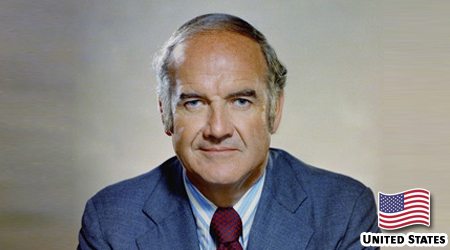
George McGovern
World Food Prize 2008
George McGovern (1922–2012) was a distinguished American statesman and the 2008 World Food Prize Laureate, honored alongside Senator Robert Dole. A decorated World War II pilot, his lifelong commitment to ending hunger began after witnessing famine in postwar Europe. He is widely recognized as a "tireless advocate for the world's hungry," having shaped nearly every major U.S. and international food assistance program of the late 20th century.McGovern served as the first director of the Food for Peace program under President John F. Kennedy and was instrumental in the 1963 foundation of the UN World Food Programme (WFP). In the U.S. Senate, he chaired the Select Committee on Nutrition and Human Needs, which expanded the school lunch and food stamp programs. His crowning achievement was the bipartisan McGovern-Dole International Food for Education and Child Nutrition Program, which has provided meals to over 40 million children in 41 countries, significantly boosting school enrollment for girls.Key Achievements & Honors
2008 World Food Prize: Awarded for his collaborative leadership in global school feeding.UN Ambassador: Served as the U.S. Ambassador to the UN Agencies for Food and Agriculture in Rome (1998–2001).Presidential Medal of Freedom: The highest U.S. civilian honor, awarded in 2000 for his humanitarian service.UN Global Ambassador: Appointed as the first UN global ambassador on world hunger by the WFP in 2001.
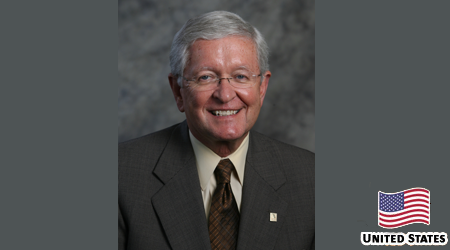
Dr. Philip E. Nelson
World Food Prize 2007
Dr. Philip E. Nelson (born 1934) is a world-renowned American food scientist and the 2007 World Food Prize Laureate. Known as the leader of modern food science, he revolutionized the global food industry by developing bulk aseptic processing and packaging technology. This breakthrough allowed for the large-scale storage and transportation of fresh fruit juices and vegetables without the need for refrigeration or chemicals, significantly reducing post-harvest waste.Inspired by his youth working at his family's tomato canning factory, Nelson sought to overcome the seasonality and perishability of crops. He developed experimental sterilized steel tanks and pioneered "bag-in-box" technology for products like tomato paste and orange juice. His innovations enable fresh food to be stored for long periods and shipped worldwide—even in massive 8-million-gallon aseptic tanks on ocean-going ships—while maintaining nutritional value and taste.Key Achievements & Honors
2007 World Food Prize: Awarded for transforming post-harvest technology and increasing global food accessibility.Academic Leadership: Former Head of the Department of Food Science at Purdue University, where the food science building was renamed Philip E. Nelson Hall in his honor.Emergency Relief: His technology was used to provide potable water and safe food to survivors of the 2004 Indian Ocean Tsunami and Hurricane Katrina.Professional Service: Served as President of the Institute of Food Technologists (IFT) from 2001 to 2002.
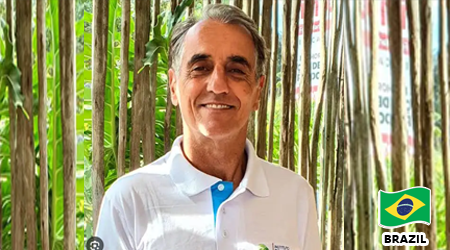
Edson Lobato
World Food Prize 2006
Edson Lobato (born 1944) is a prominent Brazilian soil scientist and the 2006 World Food Prize Laureate. He is recognized for his pivotal role in transforming the Cerrado—a vast, acidic savanna previously considered "locked" for agriculture—into one of the most productive farming regions on Earth. As a leading researcher at Embrapa (the Brazilian Agricultural Research Corporation), Lobato dedicated his 30-year career to overcoming the specific chemical barriers of tropical soils.While early pioneers identified the general problem of soil acidity, Lobato specialized in the practical application of phosphate inputs and lime amendments. His research refined the methods for improving soil fertility at deeper levels, which allowed crop roots to reach water and nutrients during dry seasons. His work helped increase the Cerrado’s grain production fourfold, turning Brazil into a global leader in soybean and beef exports.Key Achievements & Honors
2006 World Food Prize: Shared with Alysson Paolinelli and Colin McClung for their collective "Cerrado Miracle."Leadership at Embrapa: Served as the Technical Director of the Cerrado Research Center, where he coordinated national soil microbiology and management programs.Authoritative Reference: He authored Cerrado: Soil Correction and Fertilization, which remains a fundamental text for tropical agronomists.Global Influence: His methods are now being adapted to help restore degraded soils in sub-Saharan Africa.
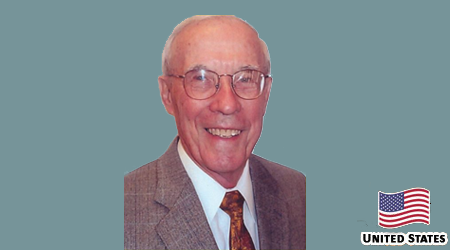
Dr. A. Colin McClung
World Food Prize 2006
Dr. Andrew Colin McClung (1923–2015) was a pioneering American soil scientist and the 2006 World Food Prize Laureate. He is credited with providing the scientific key to the "Cerrado Miracle," a massive agricultural transformation that turned 100 million hectares of infertile Brazilian savanna into one of the world's most productive breadbaskets.When McClung arrived in Brazil in 1956 with the IRI Research Institute, the Cerrado (meaning "closed land") was considered a wasteland due to its extreme acidity and aluminum toxicity, which stunted plant roots. Through methodical experimentation, McClung discovered that a precise combination of dolomitic lime, phosphorus, and micronutrients could neutralize the soil. His research proved that with these amendments, yields for crops like soybeans and corn could increase by 200–300%, effectively opening an area larger than the total cropland of the United States to intensive farming.Key Honors & Impact
2006 World Food Prize: Shared with Edson Lobato and Alysson Paolinelli for their collective role in Brazil's agricultural revolution.Scientific Breakthrough: His 1957 presentation to the Brazilian Soil Science Society debunked the myth that tropical savannas were inherently unsuitable for farming.Global Legacy: His techniques are now seen as a blueprint for developing similar "acid land" frontiers in Colombia, Venezuela, and across sub-Saharan Africa.
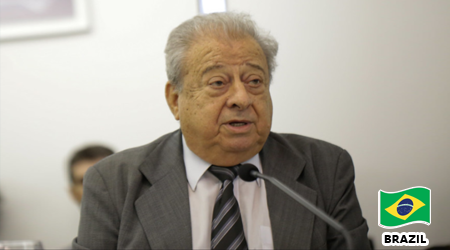
Alysson Paolinelli
World Food Prize 2006
Alysson Paolinelli (1936–2023) was a visionary Brazilian agronomist and statesman, widely regarded as the "Father of Tropical Agriculture." As Brazil’s Minister of Agriculture in the 1970s, he orchestrated one of the greatest agricultural transformations in history: turning the Cerrado, a vast and acidic tropical savanna once considered "worthless," into a global breadbasket.Paolinelli pioneered the use of soil science to neutralize the Cerrado’s acidity through large-scale liming and phosphorus application. He founded Embrapa (the Brazilian Agricultural Research Corporation), sending hundreds of Brazilian scientists abroad to master advanced techniques. This investment led to the development of tropicalized soy, wheat, and corn varieties, enabling Brazil to become a leading global exporter of food.Key Honors & Legacy
2006 World Food Prize: Awarded for his leadership in transforming the Cerrado into a productive agricultural powerhouse.Nobel Peace Prize Nominee (2021): Recognized for his lifelong contribution to global food security.Economic Impact: His reforms helped Brazil shift from a food importer to one of the world's top three agricultural exporters.
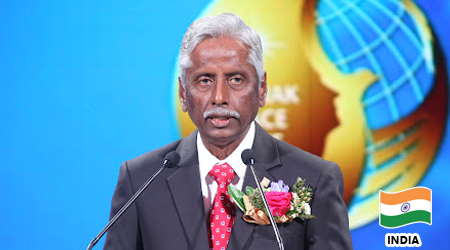
Dr. Modadugu Gupta
World Food Prize 2005
Dr. Modadugu Vijay Gupta (born 1939) is a distinguished Indian fisheries scientist and the 2005 World Food Prize Laureate. Often called the architect of the "Blue Revolution," Gupta is credited with transforming freshwater aquaculture into a powerful tool for poverty alleviation. Throughout a career spanning over 50 years, he developed low-cost, sustainable fish farming techniques that enabled over one million impoverished families across Asia and Africa to improve their nutrition and income.His groundbreaking work focused on polyculture, where multiple fish species are raised in a single pond, and the integration of aquaculture with agriculture. He taught farmers to recycle agricultural waste—such as rice bran and manure—as fish feed, turning roadside ditches and seasonal ponds into productive "mini-factories." In Bangladesh alone, his methods helped increase fish production by over 300% during the 1990s.Key Honors & Impact
2005 World Food Prize: Awarded for enriching the diets of the world’s most impoverished families.Sunhak Peace Prize (2015): The inaugural recipient for his contributions to global peace through food security.Padma Shri (2023): Bestowed by the Government of India for his scientific service.Women's Empowerment: His initiatives increased the participation of women in aquaculture in Bangladesh from nearly zero to 60%.
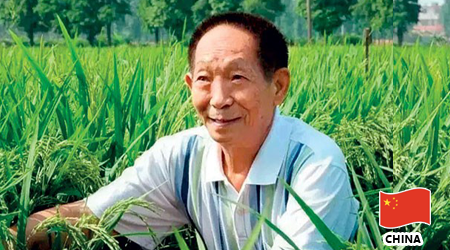
Prof. Yuan Longping
World Food Prize 2004
Prof. Yuan Longping (1930–2021) was a legendary Chinese agronomist known worldwide as the "Father of Hybrid Rice." In the 1970s, he developed the world’s first hybrid rice varieties, a feat previously thought impossible due to the self-pollinating nature of the plant. His discovery of a wild male-sterile rice plant in Hainan became the genetic key to his "Three-Line System" for mass-producing hybrid seeds.Yuan’s hybrid varieties yielded 20% more than conventional rice, providing enough extra food to feed an additional 70 million people annually. This breakthrough was instrumental in transforming China from a land of chronic food shortages to a nation of food security. Later, he developed "Super Hybrid Rice," pushing yield records to over 15 tonnes per hectare, and even experimented with "sea rice" capable of growing in saline-alkali soils.Major Awards & Honors
2004 World Food Prize: Shared with Monty Jones for his "unparalleled" contribution to the world food supply.Wolf Prize in Agriculture (2004): For his innovative research in plant breeding.Medal of the Republic (2019): China’s highest honor for his lifelong service.Global Impact: He trained scientists from over 80 countries, sharing his technology to fight global hunger.
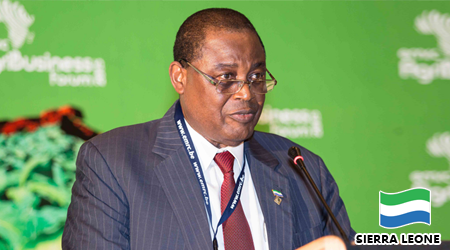
Dr. Monty Jones
World Food Prize 2004
Dr. Monty Jones (1951–2024) was a pioneering Sierra Leonean plant breeder and the first African to receive the World Food Prize (2004). He is globally acclaimed for developing NERICA (New Rice for Africa), a suite of high-yielding rice varieties specifically tailored to the harsh growing conditions of sub-Saharan Africa.In the 1990s, while at the Africa Rice Center (WARDA), Jones achieved a scientific breakthrough by successfully crossing high-yielding Asian rice (Oryza sativa) with hardy, disease-resistant African rice (Oryza glaberrima). To overcome the natural sterility of these interspecific hybrids, he utilized advanced embryo rescue techniques. NERICA varieties mature faster, contain 25% more protein, and resist drought and pests better than traditional rices, helping millions of smallholder farmers achieve food security.Key Achievements & Honors
2004 World Food Prize: Shared with China’s Yuan Longping for their independent breakthroughs in rice science.Leadership: Founding Executive Director of the Forum for Agricultural Research in Africa (FARA) and former Minister of Agriculture for Sierra Leone.Global Recognition: Named one of TIME magazine’s 100 Most Influential People in 2007.
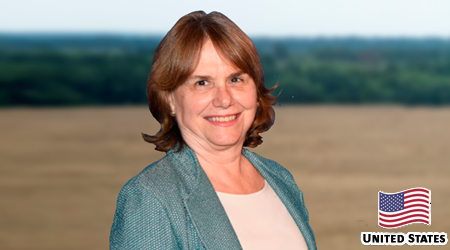
Catherine Bertini
World Food Prize 2003
Catherine Bertini (born 1950) is an American public administrator and the 2003 World Food Prize Laureate. As the Executive Director of the United Nations World Food Programme (WFP) from 1992 to 2002, she is credited with transforming the agency into the world’s most effective humanitarian relief organization. Under her leadership, the WFP shifted its focus from simply moving commodities to a strategy of "woman-centered" food aid.Bertini recognized that women are the primary providers in impoverished households. By ensuring food reached the hands of women rather than being intercepted by local middlemen, she ensured that nutrition actually reached children. She successfully managed massive relief operations during the famines in North Korea, the conflicts in the Balkans, and the humanitarian crises in Afghanistan and Ethiopia, feeding over 700 million people during her tenure.Key Achievements & Honors
2003 World Food Prize: Awarded for her "profound impact" on global food security through logistical and policy reform.Internal Reform: Modernized the WFP’s logistics, making it the UN's lead agency for emergency transport and communications.Academic Leadership: Served as a professor at Syracuse University and later as a Distinguished Fellow at the Chicago Council on Global Affairs.Geneva Group: Recognized for her efficiency in managing large-scale international budgets.Bertini’s legacy remains the standard for how international aid can be used not just for survival, but as a tool for female empowerment and long-term development.
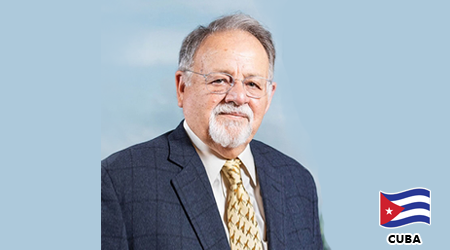
Dr. Pedro A. Sanchez
World Food Prize 2002
Dr. Pedro A. Sanchez (born 1940) is a world-renowned soil scientist and the 2002 World Food Prize Laureate. A native of Cuba and a Cornell-educated agronomist, he dedicated his career to disproving the myth that tropical soils are inherently infertile. His work has been instrumental in expanding the global agricultural frontier and providing sustainable solutions for smallholder farmers in Latin America and Africa.In the 1970s, Sanchez led a research team in Peru that helped the nation achieve rice self-sufficiency. He then pioneered soil management techniques in the Brazilian Cerrado, transforming 30 million hectares of acidic, marginal land into one of the world's most productive agricultural regions. As Director General of the World Agroforestry Center (ICRAF) in Kenya, he developed low-cost "natural" fertilizers by combining native rock phosphate with nitrogen-fixing trees, doubling crop yields for hundreds of thousands of African farmers.Major Awards & Roles
2002 World Food Prize: For transforming depleted tropical soils into productive lands.MacArthur "Genius" Fellow (2003): Recognized for his innovative scientific approaches.UN Millennium Project: Co-chaired the Hunger Task Force with M.S. Swaminathan.Luo Elder: Anointed an honorary elder in Western Kenya for his success in eliminating hunger in local villages.
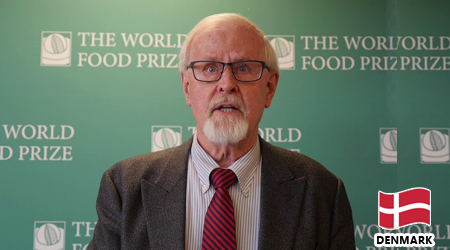
Dr. Per Pinstrup-Andersen
World Food Prize 2001
Dr. Per Pinstrup-Andersen (born 1939) is a renowned Danish economist and the 2001 World Food Prize Laureate. He is celebrated for his transformative contributions to global food policy and for being the driving force behind the "2020 Vision Initiative." As the Director General of the International Food Policy Research Institute (IFPRI) from 1992 to 2002, he moved the global conversation from simply "producing more food" to the complex socio-economic policies required to ensure the poor can actually access and afford it.Pinstrup-Andersen’s research was instrumental in reforming food subsidy programs in countries like Egypt and Pakistan, ensuring aid reached the truly needy rather than being lost to inefficiency. He also pioneered "Food-for-Education" programs, which provided food to families in exchange for keeping their children in school, simultaneously fighting hunger and illiteracy.Major Achievements & Honors
2001 World Food Prize: Awarded for personally initiating the research that led to major policy shifts in developing nations.2020 Vision Initiative: A global campaign that alerted world leaders to potential 21st-century food crises.Academic Leadership: Professor Emeritus at Cornell University, where he served as the H.E. Babcock Professor of Food, Nutrition, and Public Policy.Author: Published over 400 articles and several books, including Seeds of Contention, which explores the role of biotechnology in feeding the world.His work proved that ending hunger is a matter of political will and sound economic policy as much as it is a matter of scientific innovation.
World Food Prize Laureates (2000 ~ 1991)
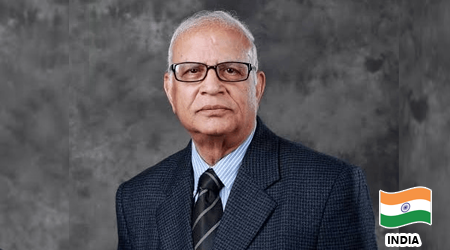
Dr. Surinder K. Vasal
World Food Prize 2000
Dr. Surinder K. Vasal (born 1938) is a distinguished Indian geneticist and plant breeder, widely recognized for his role in co-developing Quality Protein Maize (QPM). Working at the International Maize and Wheat Improvement Center (CIMMYT) in Mexico for over 35 years, he collaborated with biochemist Dr. Evangelina Villegas to solve the "opaque-2" problem—a high-protein maize mutation that was initially rejected by farmers due to its soft, chalky kernels and low yields.Vasal utilized complex breeding techniques, including modified backcrossing and recurrent selection, to combine the opaque-2 gene with genetic modifiers. This resulted in "miracle maize" that has the vitreous, hard kernel of traditional corn but contains twice the levels of lysine and tryptophan, essential amino acids for human health.Major Awards & Honors
2000 World Food Prize: Shared with Dr. Evangelina Villegas for their "Nobel-like" achievements in nutrition.Padma Shri (2025): Awarded by the Government of India for his lifetime of service to science and engineering.M.S. Swaminathan Award (2008): For leadership in agriculture.CIMMYT Distinguished Scientist: He was the first person to hold this prestigious title at the institution.Vasal’s work has improved the lives of millions, particularly in Africa, Asia, and Latin America, where maize is a dietary staple.
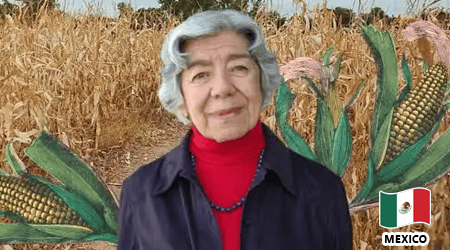
Dr. Evangelina Villegas
World Food Prize 2000
Dr. Evangelina Villegas (1924–2017) was a pioneering Mexican cereal chemist and the first woman to receive the World Food Prize (2000). She is celebrated for her transformative role in co-developing Quality Protein Maize (QPM) alongside plant breeder Dr. Surinder Vasal. This breakthrough addressed severe protein deficiencies in regions where maize is a primary staple.Working at the International Maize and Wheat Improvement Center (CIMMYT), Villegas analyzed over 25,000 grain samples annually to identify varieties with doubled levels of lysine and tryptophan—essential amino acids lacking in traditional corn. QPM looks, tastes, and yields like conventional maize but offers significantly higher nutritional value, reducing stunting and malnutrition in children by 15% in countries across Africa, Asia, and Latin America.Key Achievements & Honors
World Food Prize (2000): Shared with Dr. Surinder Vasal for their three-decade collaboration.Mexican Woman of the Year (2000): Awarded by President Ernesto Zedillo.Philanthropy: Established a scholarship fund for "bird boys" (laborers at CIMMYT) to pursue their education.Legacy: The maize quality laboratory at CIMMYT was renamed in her honor in 2017.
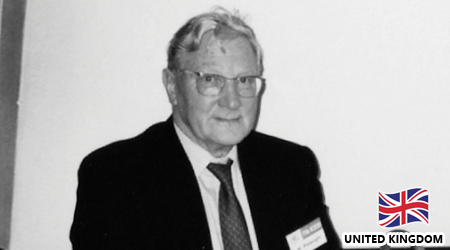
Dr. Walter Plowright
World Food Prize 1999
Dr. Walter Plowright (1923–2010) was a distinguished British veterinary scientist who achieved what was once thought impossible: the near-total eradication of rinderpest, or "cattle plague." This viral disease had devastated livestock for over 1,500 years, often causing 100% mortality in herds and triggering massive human famines.Working in Kenya and Nigeria during the 1950s and 60s, Plowright developed the Tissue Culture Rinderpest Vaccine (TCRV). Unlike previous versions, his vaccine was safe for all breeds and ages, inexpensive to produce, and provided lifelong immunity with a single dose. This breakthrough became the primary tool for the Global Rinderpest Eradication Programme. In 2011, rinderpest became the first animal disease—and only the second disease in history after smallpox—to be officially eradicated worldwide.Key Honors & Legacy
1999 World Food Prize: Awarded for making the global eradication of rinderpest a practical reality.Scientific Impact: His cell-culture techniques paved the way for vaccines against other livestock diseases like sheeppox and lumpy skin disease.King Baudouin International Development Prize (1984): For his contributions to the developing world.Fellow of the Royal Society (1981): Recognizing his exceptional scientific rigor.
View More
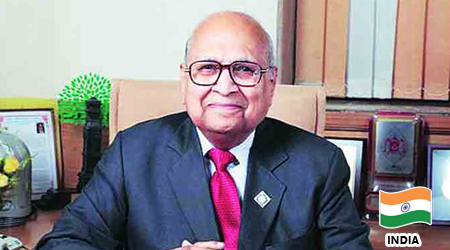
Dr. B. R. Barwale
World Food Prize 1998
Dr. Badrinarayan Ramulal Barwale (1931–2017) was a visionary entrepreneur and philanthropist, widely celebrated as the "Father of the Indian Seed Industry." From humble beginnings as a small farmer in Jalna, Maharashtra, he revolutionized Indian agriculture by founding the Maharashtra Hybrid Seeds Company (Mahyco) in 1964, India’s first private-sector seed enterprise.Barwale’s mission was to provide affordable, high-yielding hybrid seeds to small-scale farmers. He famously experimented with a "miracle" okra variety before expanding into over 30 crop species, including rice, wheat, and cotton. His most groundbreaking move was introducing Bt Cotton (in collaboration with Monsanto) in 2002, which transformed India from a cotton importer into a global export leader.Major Awards & Legacy
1998 World Food Prize: Awarded for his role in building a private seed industry that enhanced India’s food security.Padma Bhushan (2001): Bestowed by the Government of India for his contribution to trade and economics.Philanthropy: He founded the Barwale Foundation and Shri Ganapati Netralaya, a state-of-the-art eye hospital providing free or subsidized care to the rural poor.His legacy continues through Mahyco, which remains a cornerstone of agricultural innovation and biotechnology in India.
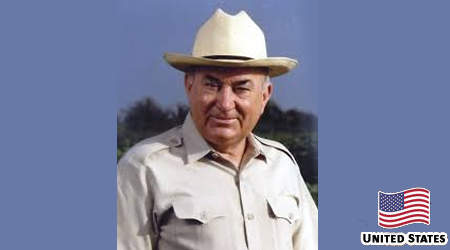
Dr. Perry L. Adkisson
World Food Prize 1997
Dr. Perry L. Adkisson (1929–2020) was a distinguished American entomologist and academic leader, celebrated as a co-founder of Integrated Pest Management (IPM). Growing up on a cotton farm in Arkansas, he witnessed firsthand the struggles of farmers against pests, which fueled his lifelong commitment to sustainable agriculture.Adkisson’s most significant research focused on cotton pests like the pink bollworm and the boll weevil. He demonstrated that relying solely on synthetic chemicals was unsustainable due to rising costs and pest resistance. Instead, he pioneered holistic strategies that combined natural enemies, cultural practices, and resistant crop varieties. His diapause control program was instrumental in virtually eliminating the boll weevil from the High Plains of Texas.Key Achievements & Honors
"Triple Crown" of Agriculture: The first person to receive all three top global honors: the Alexander von Humboldt Award (1980), the Wolf Prize (1994), and the World Food Prize (1997).Leadership: Served as the Chancellor of the Texas A&M University System (1986–1990) and was a member of the National Academy of Sciences.Global Impact: Led the "Huffaker Project" and "Adkisson Project," massive collaborations involving hundreds of scientists to implement IPM systems for major crops worldwide.
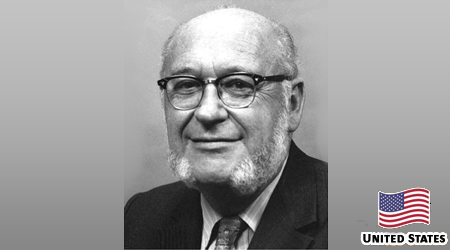
Dr. Ray F. Smith
World Food Prize 1997
Dr. Ray F. Smith (1919–1999) was a distinguished American entomologist often referred to as the "Father of Integrated Pest Management (IPM)." A longtime professor at the University of California, Berkeley, Smith challenged the post-World War II reliance on synthetic pesticides, advocating instead for an ecological approach that prioritized biological controls and natural population regulation.Smith’s pioneering work on "supervised control" in California’s alfalfa fields demonstrated that farmers could reduce chemical use by 50% without sacrificing yields. He later expanded these concepts globally, serving as the founding chairman of the FAO Panel of Experts on Integrated Pest Control. His leadership in the "Huffaker Project" coordinated hundreds of scientists to implement sustainable pest strategies for major food crops.Key Honors & Achievements
1997 World Food Prize: Jointly awarded with Dr. Perry Adkisson for the development and global implementation of IPM.Academic Leadership: Chaired the Department of Entomology at UC Berkeley (1959–1973).International Impact: Directed the Consortium for International Crop Protection (CICP), bringing ecological farming to developing nations.Scientific Legacy: Co-authored what the National Academy of Sciences called the most important paper on crop protection of the century.
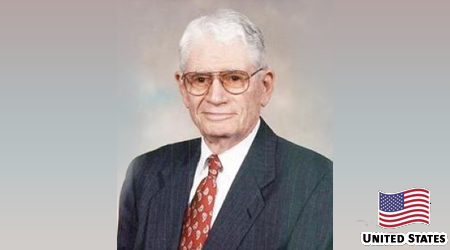
Henry M. Beachell
World Food Prize 1996
Dr. Henry M. "Hank" Beachell (1906–2006) was a legendary American plant breeder often cited as the most important figure in rice improvement. His career spanned decades, starting at the USDA in Texas, where he developed nine varieties that once accounted for 90% of U.S. long-grain rice production. However, his most global impact occurred after "retiring" to join the International Rice Research Institute (IRRI) in the Philippines.In 1963, Beachell led the team that created IR8, the world's first high-yielding, semi-dwarf rice variety. Dubbed "Miracle Rice," it could produce 7–10 tons per hectare—quadrupling the yields of traditional varieties. This breakthrough was the cornerstone of the Green Revolution in Asia, saving millions from potential famine and transforming countries like India and the Philippines into self-sufficient producers.Key Honors & Legacy
1996 World Food Prize: Shared with his colleague Dr. Gurdev Khush for their revolutionary rice breeding.Japan Prize (1987): Recognized for his contributions to global food security.Mentorship: He trained a generation of scientists, ensuring the continued evolution of resilient crop varieties.Beachell worked as a consultant until the age of 100, remaining dedicated to the science of feeding the world.
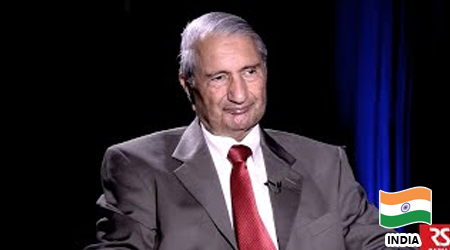
Dr. Gurdev Singh Khush
World Food Prize 1996
Dr. Gurdev Singh Khush (born 1935) is a world-renowned plant geneticist and agronomist, often hailed as the "Father of Super Rice." During his 35-year tenure at the International Rice Research Institute (IRRI) in the Philippines, he spearheaded the development of over 300 high-yielding rice varieties. His work was pivotal in doubling the global rice supply between 1970 and 1995, preventing widespread famine in Asia.His most famous creation, IR36, released in 1976, became the most widely planted food crop variety in the world. It was a "miracle rice" that combined high yields with a short 105-day growing cycle and resistance to 15 major pests and diseases. He later developed IR64, which improved upon IR36 with superior grain quality and palatability, making it the international standard for rice.Honors and Achievements
World Food Prize (1996): Shared with his mentor Henry Beachell for advancing global food security.Japan Prize (1987): For his contributions to the Green Revolution.Padma Shri (2000): Awarded by the Government of India.Scientific Impact: Developed the "New Plant Type" (NPT) with the potential to increase yields by another 20-25%.Dr. Khush’s legacy is defined by his ability to translate complex genetics into practical solutions that "passed the lips of almost half the humanity."
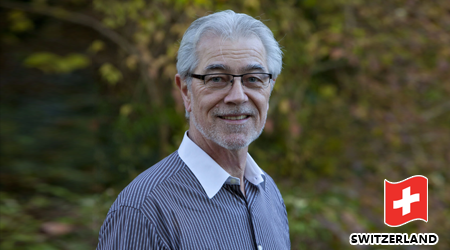
Dr. Hans Rudolf Herren
World Food Prize 1995
Dr. Hans Rudolf Herren (born 1947) is a Swiss entomologist and pioneer in sustainable agriculture, best known for orchestrating the largest biological pest control program in history. In 1979, while working at the International Institute of Tropical Agriculture (IITA) in Nigeria, he confronted a crisis: the accidental introduction of the cassava mealybug, which threatened the staple food of 200 million people across Africa.Rather than using pesticides, Herren identified a natural predator—a tiny parasitic wasp (Anagyrus lopezi)—in South America. He launched a massive operation, mass-rearing millions of wasps and releasing them via specialized aircraft across 30 African nations. This chemical-free intervention successfully stabilized the ecosystem, averting a famine that could have claimed an estimated 20 million lives.Key Leadership & Honors
1995 World Food Prize: The first Swiss citizen to receive this honor for his "ecological miracle" in Africa.Biovision Foundation: Founded in 1998 to promote agroecological methods and sustainable development.President of the Millennium Institute: Leading efforts in system dynamics modeling for global sustainability policies.Right Livelihood Award (2013): Recognized for his expertise in promoting a safe and sustainable global food supply.Herren continues to advocate for a paradigm shift toward agroecology, moving away from industrial monocultures toward self-regenerating farming systems.
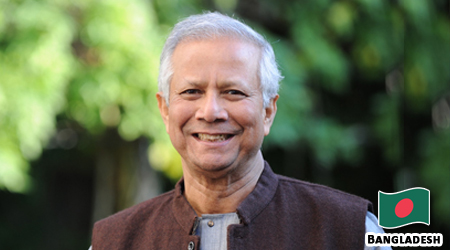
Dr. Muhammad Yunus
World Food Prize 1994
Dr. Muhammad Yunus (born 1940) is a pioneering Bangladeshi economist and social entrepreneur known as the "Banker to the Poor." In 1983, he founded the Grameen Bank, an institution built on the revolutionary belief that credit is a fundamental human right. By providing small, no-collateral "micro-loans" to the impoverished—specifically women—he empowered millions to break the cycle of poverty through self-employment.Deeply impacted by the 1974 Bangladesh famine, Yunus realized that hunger was often a result of the inability to pay for food rather than its scarcity. His work extended into agriculture through the Grameen Agriculture Foundation, which diversified crops and provided seeds to millions of families. Today, his "Grameen model" has been replicated in over 100 countries.Key Honors
1994 World Food Prize: Awarded for improving food security through economic empowerment.2006 Nobel Peace Prize: Shared with Grameen Bank for creating social development from below.Three Crowns: One of only seven people to receive the Nobel Peace Prize, the U.S. Presidential Medal of Freedom, and the Congressional Gold Medal.In 2024, he assumed the role of Chief Adviser to the interim government of Bangladesh during a period of significant political transition.
He Kang
World Food Prize 1993
He Kang (1923–2021) was a distinguished Chinese agronomist and policymaker, recognized as the architect of the reforms that led China to food self-sufficiency. Serving as the Minister of Agriculture from 1983 to 1990, he implemented pivotal strategies that enabled China—a nation with 22% of the world's population but only 7% of its arable land—to feed its people for the first time in modern history.Early in his career, He Kang was a pioneer in China's natural rubber industry, successfully establishing large-scale plantations in tropical regions. As Minister, he revitalized agricultural education and science, establishing exchanges with over 90 countries. He was instrumental in shifting China from communal farming to the "family unit of production" system, which provided farmers with the incentives needed to increase yields.Key Achievements & Honors
1993 World Food Prize: The first Chinese citizen to receive this honor for his role in China's "human development miracle."Economic Impact: Under his stewardship, China's agricultural output grew by over 8% annually during the early 1980s.Philanthropy: He donated his entire $200,000 World Food Prize award to establish a scholarship fund for agricultural students.
Dr. Nevin S. Scrimshaw
World Food Prize 1991
Dr. Nevin S. Scrimshaw (1918–2013) was a preeminent American food scientist and a pioneer in international nutrition. He is best known for his lifelong commitment to alleviating global hunger and malnutrition, specifically targeting protein, iodine, and iron deficiencies. As the founding director of the Institute of Nutrition of Central America and Panama (INCAP) and later the founder of MIT’s Department of Nutrition and Food Science, Scrimshaw bridged the gap between clinical research and public health policy.His most transformative work included the development of Incaparina, a low-cost, high-protein dietary supplement made from local cottonseed flour and maize, which significantly reduced child mortality in Guatemala. He later applied similar principles in India to create Balahar. Scrimshaw was also a leader in identifying the critical link between malnutrition and infectious diseases and pioneered the use of potassium iodate to iodize moist salt, helping to eliminate endemic goiter worldwide.Major Achievements & Honors
1991 World Food Prize: Awarded for his revolutionary work in nutritional supplements and deficiency prevention.Institutional Leadership: Founded the UN University's World Hunger Program and the Nevin Scrimshaw International Nutrition Foundation.Scientific Legacy: Author of over 650 papers and 20 books, and mentor to over 500 scientists from developing nations.
World Food Prize Laureates (1990 ~ 1987)
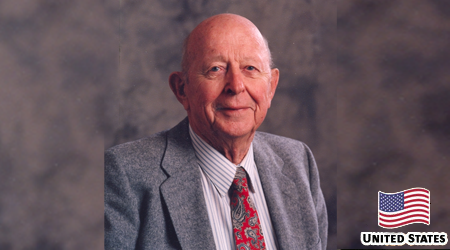
Dr. John Niederhauser
World Food Prize 1990
Dr. John S. Niederhauser (1916–2005), affectionately known as "Mr. Potato," was a pioneering American plant pathologist who transformed global potato production. While working with the Rockefeller Foundation's Mexican Agricultural Program alongside Norman Borlaug, he discovered that the late blight pathogen (Phytophthora infestans)—the cause of the Irish Potato Famine—originated in Mexico.Niederhauser identified durable resistance in Mexican wild potato species and successfully bred it into edible varieties. His breakthrough was the concept of "horizontal resistance," which uses multiple genes to provide stable, long-term protection against diseases without heavy reliance on chemical fungicides. Under his guidance, Mexico's potato production increased sixfold between 1950 and 1980.Key Contributions & Honors
1990 World Food Prize: Awarded for his leadership in advancing potato production and disease resistance.Co-founder: Established the International Potato Center (CIP) in Lima, Peru, in 1971.Global Impact: Developed national potato programs in countries including Pakistan, Bangladesh, Colombia, India, and Turkey, significantly increasing their food security.PRECODEPA: Founded the Regional Cooperative Potato Program to foster collaboration across Mexico and Central America.

Dr. Verghese Kurien
World Food Prize 1989
Dr. Verghese Kurien (1921–2012), popularly known as the "Milkman of India," was the social entrepreneur and visionary behind the White Revolution. His most significant achievement was the launch of Operation Flood in 1970, which transformed India from a milk-deficient nation into the world’s largest producer.Kurien is best known for developing the "Anand Pattern" of dairy cooperatives. By empowering small-scale farmers through the Amul (Kaira District Co-operative Milk Producers' Union) model, he eliminated exploitative middlemen and ensured farmers received a major share of consumer profits. Under his leadership, India pioneered the technology to produce skim milk powder from buffalo milk, a feat previously thought impossible.Key Institutional Roles
Founder Chairman: National Dairy Development Board (NDDB).Founder: Gujarat Co-operative Milk Marketing Federation (GCMMF) and the Institute of Rural Management Anand (IRMA).Major Awards
World Food Prize (1989)Ramon Magsaysay Award (1963)Padma Vibhushan (1999)His birthday, November 26, is celebrated as National Milk Day in India to honor his legacy of rural empowerment and self-sufficiency.
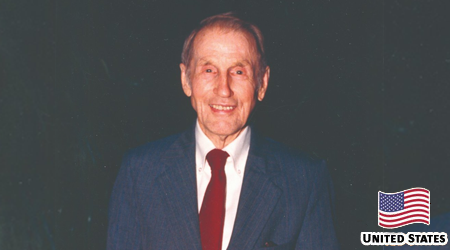
Dr. Robert Chandler, Jr.
World Food Prize 1988
Dr. Robert Flint Chandler, Jr. (1907–1999) was a distinguished American agricultural scientist and educator, best known as a central figure in the Green Revolution. He was the founding director of the International Rice Research Institute (IRRI) in the Philippines (1959–1972) and later served as the first director of the Asian Vegetable Research and Development Center (AVRDC) in Taiwan.Before his international work, Dr. Chandler had a prominent academic career, serving as a professor at Cornell University and as the 9th President of the University of New Hampshire (1950–1954). At IRRI, he led an international team that developed high-yielding "semi-dwarf" rice varieties, most notably IR8, often called "miracle rice." These varieties dramatically increased food production across Asia, helping countries like the Philippines achieve rice self-sufficiency by the late 1960s.Major Awards & Recognition
World Food Prize (1988): Awarded for his leadership in building global agricultural research capacity.Presidential End Hunger Award (1986): Presented by U.S. President Ronald Reagan.Golden Heart Award: Bestowed by the Philippines (1972).Dr. Chandler is remembered for his "flinty" leadership and his dedication to using applied science to eliminate global famine.
View More

M.S. Swaminathan
World Food Prize 1987
M.S. Swaminathan (1925–2023) was a world-renowned geneticist and the visionary architect of India’s Green Revolution. Deeply moved by the 1943 Bengal Famine, he dedicated his life to ensuring food security for India. In the 1960s, he collaborated with Nobel Laureate Norman Borlaug to introduce high-yielding, semi-dwarf wheat and rice varieties. This transformation turned India from a "begging bowl" nation, dependent on imports, into a food-surplus country.Beyond productivity, Swaminathan was a staunch advocate for sustainable agriculture, coining the term "Evergreen Revolution" to promote ecological health alongside high yields. He chaired the National Commission on Farmers, where his "Swaminathan Formula" for fair crop pricing (MSP) became a foundational demand for farmers' rights.Key Achievements & Honors
First World Food Prize (1987): Often called the "Nobel Prize for Agriculture."Civilian Awards: Recipient of the Padma Shri, Padma Bhushan, and Padma Vibhushan.Bharat Ratna (2024): Awarded posthumously for his monumental service to the nation.Founder: Established the M.S. Swaminathan Research Foundation (MSSRF) to bridge science and society.Swaminathan’s legacy remains a beacon for global food security and the empowerment of small-scale farmers.