


Public Peace Prize

Public Peace Prize
The Public Peace Prize (PPP), established in 2013 by ordinary citizens, aims to address the lack of recognition for numerous devoted but less visible peacemakers globally. While prestigious awards honor some peace artisans, many individuals and organizations dedicating their lives to resolving conflicts and creating peace conditions remain unknown.The PPP is a citizen-driven, non-cash initiative with the specific mission of raising public awareness for these local, national, and international peacebuilders. Utilizing new media and an open spirit of collaboration, the public can nominate candidates, support those validated on the Prize’s website and social media, and share their profiles. The process concludes with an online celebration, significantly contributing to the recognition and visibility of the laureates for their extraordinary commitment to peace, justice, and reconciliation.
| Sl | Name | Country | Flag | Year | Awarded For |
|---|---|---|---|---|---|
| 49 | Akhand | India | 2020 | for initiatives that have contributed to the culture of peace | |
| 48 | Khowar Academy | Pakistan | 2020 | for initiatives that have contributed to the culture of peace | |
| 47 | Les Artistes pour la Paix | Pakistan | 2020 | for initiatives that have contributed to the culture of peace | |
| 46 | Guillermo Mesa Velasqez | Colombia | 2020 | for initiatives that have contributed to the culture of peace | |
| 45 | Shruti Nagvanshi | India | 2020 | for initiatives that have contributed to the culture of peace | |
| 44 | Marceline Budza | Congo | 2020 | for initiatives that have contributed to the culture of peace | |
| 43 | Monument for Dignity and Memory | Colombia | 2020 | for initiatives that have contributed to the culture of peace | |
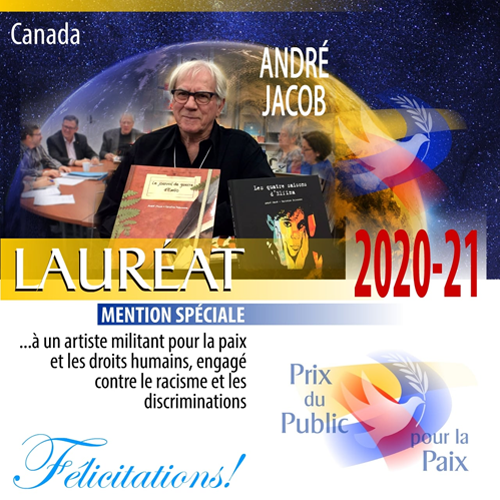
| 42 | André Jacob | France | 2020 | for initiatives that have contributed to the culture of peace | |
| 41 | Arjumand Zaidi | India | 2020 | for initiatives that have contributed to the culture of peace | |
| 40 | Hecho en Libertad | Mexico | 2019 | for initiatives that have contributed to the culture of peace | |
| 39 | Rehmat Aziz Chitrali | Pakistan | 2019 | for initiatives that have contributed to the culture of peace | |
| 38 | SOPEVUDECO | Congo | 2019 | for initiatives that have contributed to the culture of peace | |
| 37 | Etienne De Jonghe | Belgium | 2019 | for initiatives that have contributed to the culture of peace | |
| 36 | Ríos Vivos | Colombia | 2019 | for initiatives that have contributed to the culture of peace | |
| 35 | Zakaria El Hamel | Morocco | 2019 | for initiatives that have contributed to the culture of peace | |
| 34 | World Day of the Boy Child | Western Sahara | 2019 | for initiatives that have contributed to the culture of peace | |
| 33 | Maria del Carmen Fuentes Quesada | Mexico | 2018 | for initiatives that have contributed to the culture of peace | |
| 32 | Lenin Raghuvanshi | India | 2018 | for initiatives that have contributed to the culture of peace | |
| 31 | Dur Khan | Pakistan | 2018 | for initiatives that have contributed to the culture of peace | |
| 30 | Inés Palomeque | Argentina | 2018 | for initiatives that have contributed to the culture of peace | |
| 29 | Nilanjana Sanyal | India | 2018 | for initiatives that have contributed to the culture of peace | |
| 28 | David and Renate Jakupca | United States | 2018 | for initiatives that have contributed to the culture of peace | |
| 27 | Safecity | United States | 2018 | for initiatives that have contributed to the culture of peace | |
| 26 | PazalaMujer | Colombia | 2018 | for initiatives that have contributed to the culture of peace | |
| 25 | The Eyes Newspaper | Cameroon | 2018 | for initiatives that have contributed to the culture of peace | |
| 24 | International Men’s Day | Trinidad and Tobago | 2018 | for initiatives that have contributed to the culture of peace | |
| 23 | Mirja Bibi | Pakistan | 2018 | for initiatives that have contributed to the culture of peace | |
| 22 | Timothy Michael Adepoju | Nigeria | 2017 | for initiatives that have contributed to the culture of peace | |
| 21 | PLAZABORDO | Colombia | 2017 | for initiatives that have contributed to the culture of peace | |
| 20 | Zubair Torwali | Pakistan | 2017 | for initiatives that have contributed to the culture of peace | |
| 19 | Khairatul Saidu | Nigeia | 2017 | for initiatives that have contributed to the culture of peace | |
| 18 | Elliot Hillary Dogbe | Ghana | 2017 | for initiatives that have contributed to the culture of peace | |
| 17 | Coraline Parmentier | South Africa | 2017 | for initiatives that have contributed to the culture of peace | |
| 16 | Aaghaz-e-Dosti | India | 2017 | for initiatives that have contributed to the culture of peace | |
| 15 | Patrick Tocko Maloum | Cameroon | 2017 | for initiatives that have contributed to the culture of peace | |
| 14 | Marie Dennis | United States | 2016 | for initiatives that have contributed to the culture of peace | |
| 13 | Michael Lapsley | South Africa | 2016 | for initiatives that have contributed to the culture of peace | |
| 12 | Suzanne Loiselle | United States | 2016 | for initiatives that have contributed to the culture of peace | |
| 11 | Antoinette Layoun | Lebanon | 2016 | for initiatives that have contributed to the culture of peace | |
| 10 | Narine Dat Sookram | Guyana | 2016 | for initiatives that have contributed to the culture of peace | |
| 9 | Michel Englebert | Belgium | 2015 | for initiatives that have contributed to the culture of peace | |
| 8 | Philippe Ducros | Canada | 2015 | for initiatives that have contributed to the culture of peace | |
| 7 | IBAKWE Group | Rwanda | 2015 | for initiatives that have contributed to the culture of peace | |
| 6 | Mabel Katz | Argentina | 2015 | for initiatives that have contributed to the culture of peace | |
| 5 | Vasanth Vijajji Maharaj | India | 2015 | for initiatives that have contributed to the culture of peace | |
| 4 | Down Syndrome Person | Spain | 2014 | for initiatives that have contributed to the culture of peace | |
| 3 | Marie-Marcelle Desmarais | Canada | 2014 | for initiatives that have contributed to the culture of peace | |
| 2 | Izzeldin Abuelaish | Palestine | 2014 | for initiatives that have contributed to the culture of peace | |
| 1 | Raoni Metuktire | Brazil | 2014 | for initiatives that have contributed to the culture of peace |
Public Peace Prize Laureates (2017 ~ 2016)

Timothy Michael Adepoju
Public Peace Prize 2017
Timothy Michael Adepoju is a Nigerian peace activist and youth leader dedicated to fostering inter-communal dialogue and non-violent conflict resolution across Nigeria. His humanitarian work focuses on providing educational resources and promoting inclusivity, aiming to bridge the religious and ethnic divides that often fuel instability in the region.As the founder of the Nigerian Youth for Peace and Unity, Adepoju champions the idea that young people are essential stakeholders in nation-building, not tools for violence. He organizes workshops and campaigns that empower youth to reject extremism and embrace civic responsibility and mutual respect. His commitment to creating a future of peaceful coexistence, rooted in understanding and active citizenship, makes his work critical for regional stability. For his tireless advocacy and dedication to transforming conflict through non-violent youth empowerment, he was honored with the Public Peace Prize (Prix du public pour la paix).

PLAZABORDO
Public Peace Prize 2017
PLAZABORDO is a collective of architects and designers from Colombia recognized for integrating humanitarian and peace principles into their urban planning and architectural projects. Their work centers on using design as a non-violent tool for social justice, equity, and reconciliation in marginalized and conflict-affected communities, particularly in Medellín.Their peace mission is to transform precarious informal settlements into dignified, functional neighborhoods by facilitating participatory design processes. By engaging residents directly in the creation of public spaces, parks, and community infrastructure, PLAZABORDO fosters social cohesion and restores trust between citizens and government. This approach, which views architecture as a catalyst for human dignity and stability, successfully bridges social divides and addresses systemic inequalities. For their innovative use of design for peace-building and community empowerment, they were honored with the Public Peace Prize (Prix du public pour la paix).

Zubair Torwali
Public Peace Prize 2017
Zubair Torwali is a Pakistani linguist, educator, and peace activist dedicated to preserving endangered languages and promoting human rights in the Swat Valley region. His humanitarian work is centered on the survival of the Torwali language and culture, viewing language preservation as a non-violent defense against cultural marginalization and conflict.As the founder of the Idara Baraye Taleem-o-Taraqi (IBT), he champions inclusive education and social peace by developing curricula in marginalized local languages. Torwali argues that linguistic and cultural dignity are fundamental to building resilient, peaceful communities free from extremism. His commitment to empowering minority groups through education and non-violent cultural advocacy ensures their voices are heard and respected. For this profound work in connecting linguistic rights with local peace-building, he was honored with the Public Peace Prize (Prix du public pour la paix).
View More

Khairatul Saidu
Public Peace Prize 2017
Khairatul Saidu Dogbe is a Ghanaian social activist and humanitarian focused on championing women’s rights, peace-building, and economic empowerment across West Africa. Her work is crucial in communities where gender inequality often serves as a significant driver of poverty and instability.Her humanitarian commitment involves creating safe spaces and providing vocational training and micro-financing to vulnerable women, enabling them to achieve financial independence and stability. This focus on economic empowerment is her form of peace work, as it increases women’s participation in community decision-making and reduces household conflict. Dogbe’s non-violent advocacy promotes social cohesion and justice by ensuring that peace is inclusive and equitable. Her powerful dedication to transforming the lives of women and promoting a peaceful, just society was honored with the Public Peace Prize (Prix du public pour la paix).

Elliot Hillary Dogbe
Public Peace Prize 2017
Elliot Hillary Dogbe is a Ghanaian social entrepreneur and peace advocate recognized for his dedication to youth empowerment and sustainable development in West Africa. His humanitarian work focuses on addressing the core drivers of instability—unemployment and lack of opportunity—by providing young people with the skills and resources needed to thrive.Through his initiatives, Dogbe champions economic peace, believing that poverty eradication and entrepreneurship are essential for preventing conflict and fostering resilient communities. He is an advocate for quality education and works to bridge the gap between young people and decision-makers, promoting dialogue and civic participation. His non-violent approach ensures that youth are seen as assets for national development and peace-building, rather than being vulnerable to extremist recruitment. For his impactful work in transforming lives and promoting peace through empowerment, he received the Public Peace Prize (Prix du public pour la paix).

Coraline Parmentier
Public Peace Prize 2017
Coraline Parmentier is a young French activist and humanitarian recognized for her powerful advocacy on behalf of people with disabilities, particularly those using wheelchairs. Her work focuses on dismantling physical and social barriers, making the world more accessible and inclusive—a vital component of peace that ensures dignity and full participation for all.Her humanitarian commitment centers on documenting and challenging instances of discrimination and lack of accessibility in public spaces and transportation. Through public campaigns and media engagement, she successfully pressures institutions to adopt more equitable policies. By demonstrating how societal exclusion can be a non-violent form of conflict, Parmentier’s activism promotes peace through systemic inclusion. Her determination to fight for justice and dignity for the disabled community was honored with the Public Peace Prize (Prix du public pour la paix).

Aaghaz-e-Dosti
Public Peace Prize 2017
Aaghaz-e-Dosti (Start of Friendship) is an independent, non-political initiative established in 2012 by young people from India and Pakistan dedicated to promoting peace, friendship, and humanitarian connection between the two nations.Their core peace work focuses on challenging hostility and stereotypes through cultural exchange, educational workshops, and digital dialogue. Humanitarianly, they organize events like the annual Indo-Pak calendar exchange, school interactions, and letter-writing campaigns that allow citizens, especially youth, to connect on a human level, fostering empathy that transcends political borders. Aaghaz-e-Dosti’s mission is to non-violently transform the conflict narrative by celebrating shared humanity and building relationships of mutual respect. For their inspiring grassroots efforts in people-to-people peace-building, they were honored with the Public Peace Prize (Prix du public pour la paix).

Patrick Tocko Maloum
Public Peace Prize 2017
Patrick Tocko Maloum is a Cameroonian peace activist recognized for his tireless efforts in promoting democracy, dialogue, and non-violence in a region often affected by political tension and inter-communal conflict. His humanitarian work centers on empowering youth and vulnerable groups to become agents of positive, peaceful change within their societies.As the founder of the Movement for the Promotion of Citizenship and Democracy (MPCD), Maloum focuses on education for peace, teaching civic responsibility and organizing non-violent campaigns for good governance. His approach is fundamental to long-term peace-building: addressing the root causes of conflict through democratic education and fostering inclusive participation. For his courageous and sustained commitment to using dialogue and civic action as tools for societal transformation and stability, he was honored with the Public Peace Prize (Prix du public pour la paix).
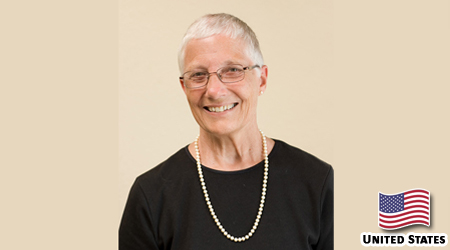
Marie Dennis
Public Peace Prize 2016
Marie DENNIS, of the United States, is a respected icon of peace and reconciliation movements on an international scale. Her implication in a number of endeavours reuniting a compassionate vision, the art of negotiation and spiritual wisdom and her contribution to intercultural and interreligious dialogues are indispensable to world peace. A large number of her project partners and people who have witnessed her work from several countries have expressed their support and admiration to this laureate of the 2016 Public Peace Prize as GLOBAL PEACE and RECONCILIATION INTERNATIONALLY-REPUTED PEACEMAKER.
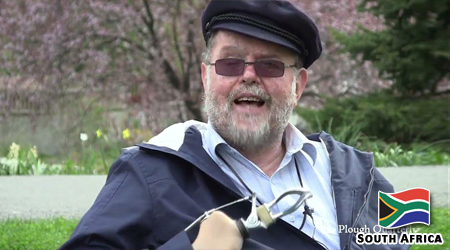
Michael Lapsley
Public Peace Prize 2016
Michael LAPSLEY, a priest from South Africa who works with victims as well as authors of apartheid and other forms of repression and exclusion, is publicly recognized for his disarming strength that has transformed wounds into powerful healing and reconciliation. The numerous comments and support received online focused on his courage, his approach for healing memories, and warmly recommended he be recognized as GLOBAL PEACE and RECONCILIATION INTERNATIONALLY-REPUTED PEACEMAKER for the 2016 Public Peace Prize.

Suzanne Loiselle
Public Peace Prize 2016
Suzanne LOISELLE is an international peace and justice activist working from Quebec, Canada. Through her actions as well as her words, she affirms that peace is not possible without justice, and solidarity can only be achieved by analyzing and driving out repressive, warlike tendencies and condemning the racism that divides communities. Suzanne received a large volume of support, in particular from Canada but also from countries such as Brazil and Haiti, recommending the she be attributed the 2016 Public Peace Prize as JUSTICE and SOLIDARITY ACTIVIST and PEACEMAKER
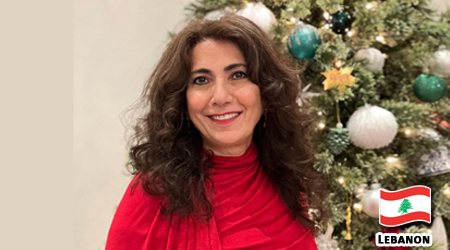
Antoinette Layoun
Public Peace Prize 2016
Antoinette LAYOUN is a therapist and a yoga master in Quebec (Canada). From her experience as a child soldier in Lebanon, Antoinette came away filled with the strength of love and now artfully teaches a way to inner peace that allows people to share their personal peace through constructive, loving lives. The numerous warm comments received from the public that is familiar with her workshops allowed her to be discerned with the 2016 Public Peace Prize as PERSONAL PEACE WEAVER and SOCIAL PEACEMAKER.
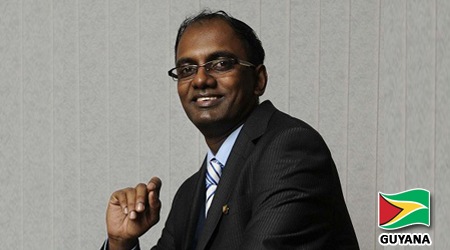
Narine Dat Sookram
Public Peace Prize 2016
Narine DAT SOOKRAM is a Canadian with Guyanese roots who is an excellent example of the rich social and economic contribution made by immigrants. The huge number of letters of support sent in shows the trust and gratitude of those who have crossed paths with him from across Canada. These letters came mostly from fellow citizens, confronted with the same challenges of integration into an adopted country, and have led him to be awarded with the 2016 Public Peace Prize for SOCIAL INTEGRATION and COMMUNITY PEACEMAKER
Public Peace Prize Laureates (2015 ~ 2014)

Michel Englebert
Public Peace Prize 2015
MICHEL ENGLEBERT is the Laureate in the LOCAL PEACEMAKER category. He received 47 % of the public support (and nearly double the minimum points required to become a finalist in his category).He began his career with Doctors Without Borders. Years later, in Belgium, inspired by his own handicapped son’s particular requirements, he created a community home for handicapped adults where they can live and grow in spite of their differences with the loving support they need.

Philippe Ducros
Public Peace Prize 2015
The lone finalist in the EMERGING PEACEMAKER category, the playwright and photographer PHILIPPE DUCROS, from Quebec (Canada) is proclaimed laureate, having greatly exceeded the minimum number of points required in his category.Photographer, author and playwright from Quebec, Canada, this world traveller draws inspiration from those he meets to make better known the challenges, injustices and political crises of people beyond borders and to share their aspirations for peace.

IBAKWE Group
Public Peace Prize 2015
In the SOLIDARITY PEACE GROUP category, the laureate is the Rwandan group IBAKWE who collected 58 % of public support (and nearly double the minimum points required to become a finalist in this category).Audacious, courageous and quick best describes the members of this association who work with genocide survivors in Rwanda. Survivors themselves, they train “peace couples” who then train their families to become peaceful people. Even though they belong to once-opposed ethnic groups, by focusing on innate human strengths and using love as a driving forces, they are building peace bridges across their once-divided country.
View More
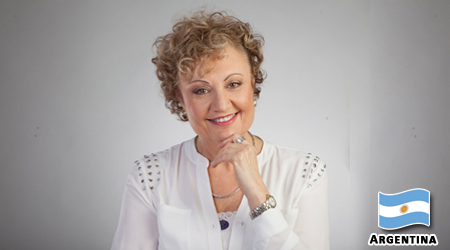
Mabel Katz
Public Peace Prize 2015
In the PEACE WEAVER category, the laureate is Mabel KATZ, who collected 7 times the number of points required to be a finalist in this category.Born in Argentina and living in Los Angeles, Mabel Katz is an author and speaker who teaches a Hawaiian spiritual practice that delivers a message of hope that has touched thousands of people: Peace begins with Me…. Peace within Me brings peace to the world. She believes that respect for differences, which is essential to peace, must begin with our children.

Vasanth Vijajji Maharaj
Public Peace Prize 2015
In the INTERNATIONALLY-REPUTED PEACEMAKER category, the big winner is Dr. VASANTH VIJAJJI MAHARAJ: the public granted him 86 % of support in his category, which is 24 times the minimum number of points required to become a finalist in this category.This spiritual leader, adored by crowds in his native India, moves followers with his message of harmony, unity and brotherly love for reconciliation and peace between families, citizens and nations. His vision for the future is to offer all children and youth of the world the opportunity to be educated in the ways of peace and non-violence.


Marie-Marcelle Desmarais
Public Peace Prize 2014
Marie-Marcelle Desmarais is a dedicated Canadian peace and humanitarian activist, best known as the founder of the Maison de l'Amitié (House of Friendship) in Montreal. Her lifelong work, starting in 1967, has centered on providing crucial support and human dignity to individuals facing poverty, homelessness, and social exclusion, embodying peace through radical inclusion.The Maison de l'Amitié offers vital services, including accommodation, meals, and social support, fostering a community of mutual respect rather than charity. Desmarais's peace mission is rooted in the belief that social justice and stability begin by meeting basic human needs and restoring self-worth to the most marginalized. Her commitment to non-violent, everyday acts of compassion and solidarity was honored when she received the Public Peace Prize (Prix du public pour la paix), recognizing her profound impact on urban humanitarianism and peaceful community building.

Izzeldin Abuelaish
Public Peace Prize 2014
Dr. Izzeldin Abuelaish, a Palestinian physician from the Gaza Strip, embodies peace and resilience in the face of immense personal tragedy. His humanitarian work was initially focused on bridging divides through medicine, treating both Palestinians and Israelis as a senior staff member at an Israeli hospital.His message of peace crystallized after 2009, when an Israeli shell killed his three daughters and a niece. Instead of seeking revenge, Abuelaish became a fierce international advocate for reconciliation, peace, and human dignity, famously declaring, “I will not hate.” He founded the Daughters for Life Foundation, which provides educational and health opportunities for young women in the Middle East, using education as a transformative tool against violence. For his non-violent stand against hatred and his dedication to humanity, he was honored with the Public Peace Prize (Prix du public pour la paix).

Raoni Metuktire
Public Peace Prize 2014
Chief Raoni Metuktire is an iconic indigenous leader of the Kayapó people, revered globally for his lifelong commitment to the humanitarian cause of preserving the Amazon rainforest and the rights of its native inhabitants. His peace work transcends typical conflict resolution, focusing instead on ecological peace—the struggle to prevent deforestation and illegal land invasions that threaten both the natural environment and indigenous culture.Since the 1980s, Raoni has traveled worldwide, utilizing his powerful, non-violent advocacy to secure international support and raise crucial funds to demarcate Kayapó territories. His efforts are fundamental to global stability, recognizing that the health of the Amazon is vital for climate and human survival. For his unwavering commitment to environmental defense and the peaceful, dignified existence of his people, he was deservedly honored as a recipient of the Public Peace Prize (Prix du public pour la paix).